The Internet’s underlying architecture continues to evolve, creating new opportunities while also introducing important challenges. Among the most significant are changes in the way networks interconnect, or “peer,” which, according to a recent analysis by the Internet Society (ISOC), may undermine the open, decentralized and resilient nature of the global Internet.
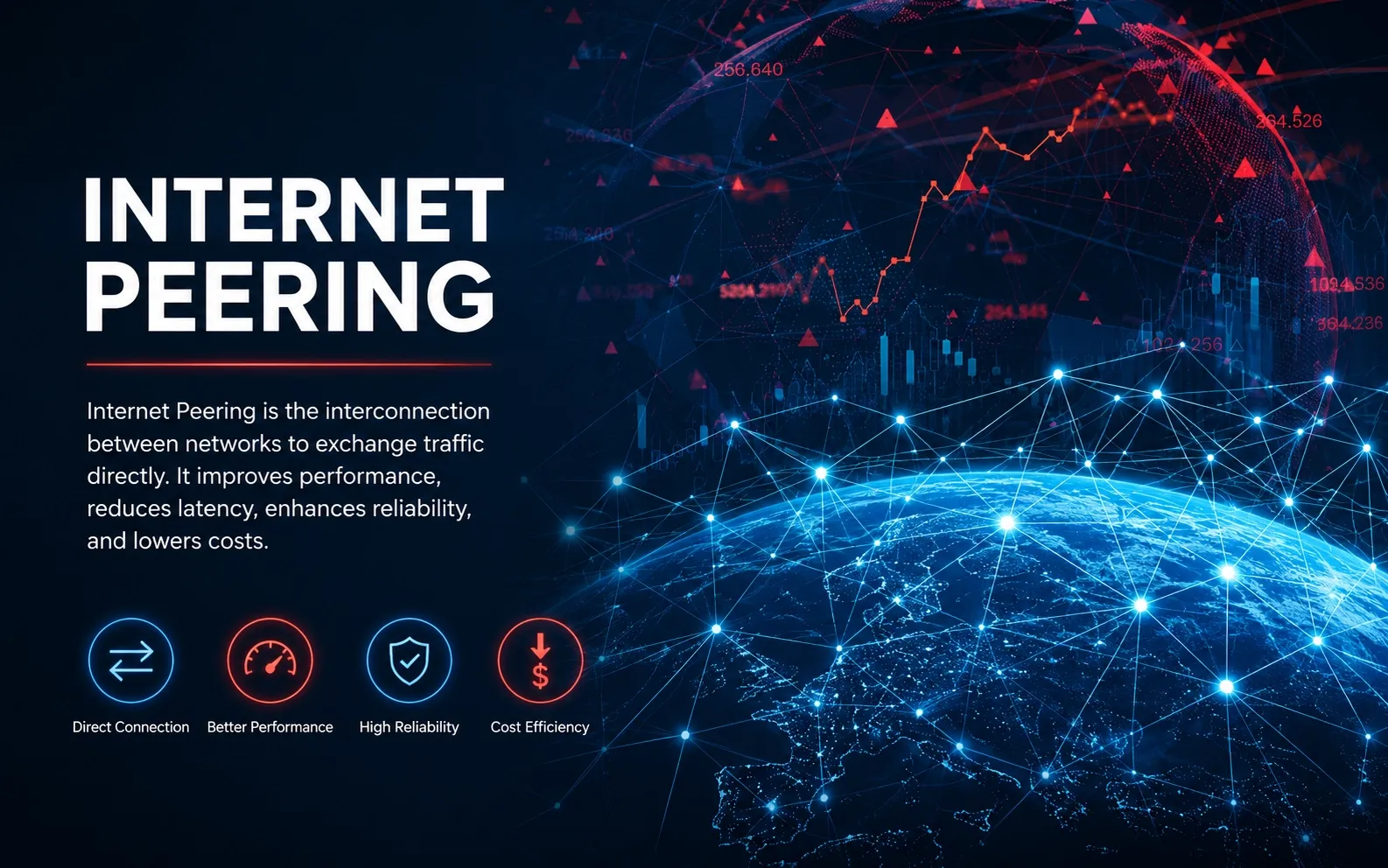
For decades, Internet service providers (ISPs) have relied on local Internet Exchange Points (IXPs) to exchange traffic directly within the same country or region. This model has played a critical role in improving network efficiency, reducing latency, lowering connectivity costs and strengthening local Internet infrastructure.
However, ISOC’s analysis highlights a growing shift among major content providers and network operators toward Virtual Peering and private interconnection arrangements. Under these models, smaller operators increasingly route their traffic through large intermediary networks rather than exchanging it locally through IXPs.
While such arrangements may offer operational efficiencies in the short term, the report warns that they can have unintended long-term consequences. Reduced reliance on local exchange infrastructure may increase dependence on international transit networks, diminish the strategic value of local IXPs and create more centralized points of failure across the Internet ecosystem.
The Internet Society refers to this phenomenon as a “resilience trap.” According to the organization, the Internet’s strength has always stemmed from its decentralized design-an interconnected system of thousands of independently operated networks. As local interconnection gives way to a smaller number of large intermediaries, risks associated with market concentration grow, along with the potential for large-scale service disruptions that can affect entire countries or regions.
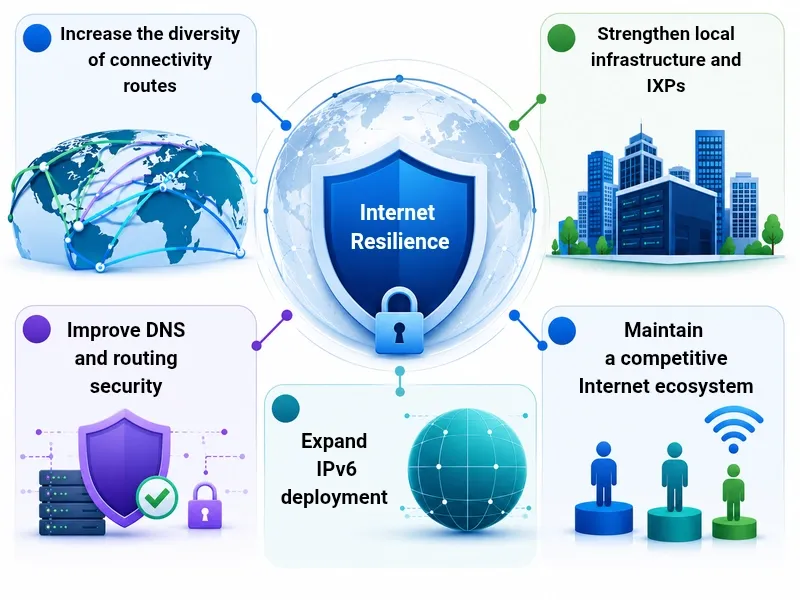
To preserve the Internet’s resilience, the Internet Society advocates maintaining a locally interconnected and neutral networking model. This includes continued investment in Internet Exchange Points, support for inclusive peering policies and the promotion of community-driven approaches to Internet infrastructure development and governance.
For Armenia, these developments are particularly relevant. Strengthening local Internet infrastructure, ensuring the continued growth and effective operation of IXPs and reducing dependence on external connectivity routes are all essential components of national digital resilience. These efforts can enhance service reliability, improve network performance, support cybersecurity objectives and contribute to the long-term sustainability of the country’s digital ecosystem.