Today, communication across virtually every aspect of life—from banking, government, and education services to business and beyond—is unimaginable without the Internet. That is why Internet resilience is so important. But what exactly does it mean?
Internet resilience is the ability of the Internet to maintain stable, secure, and continuous operation—and to recover as quickly as possible—in the face of technical failures, cyberattacks, network congestion, natural disasters, or other emergencies.
A well-developed infrastructure, efficient network performance, high-quality connectivity, strong security, and a competitive, diverse Internet market together form the foundation of Internet resilience.
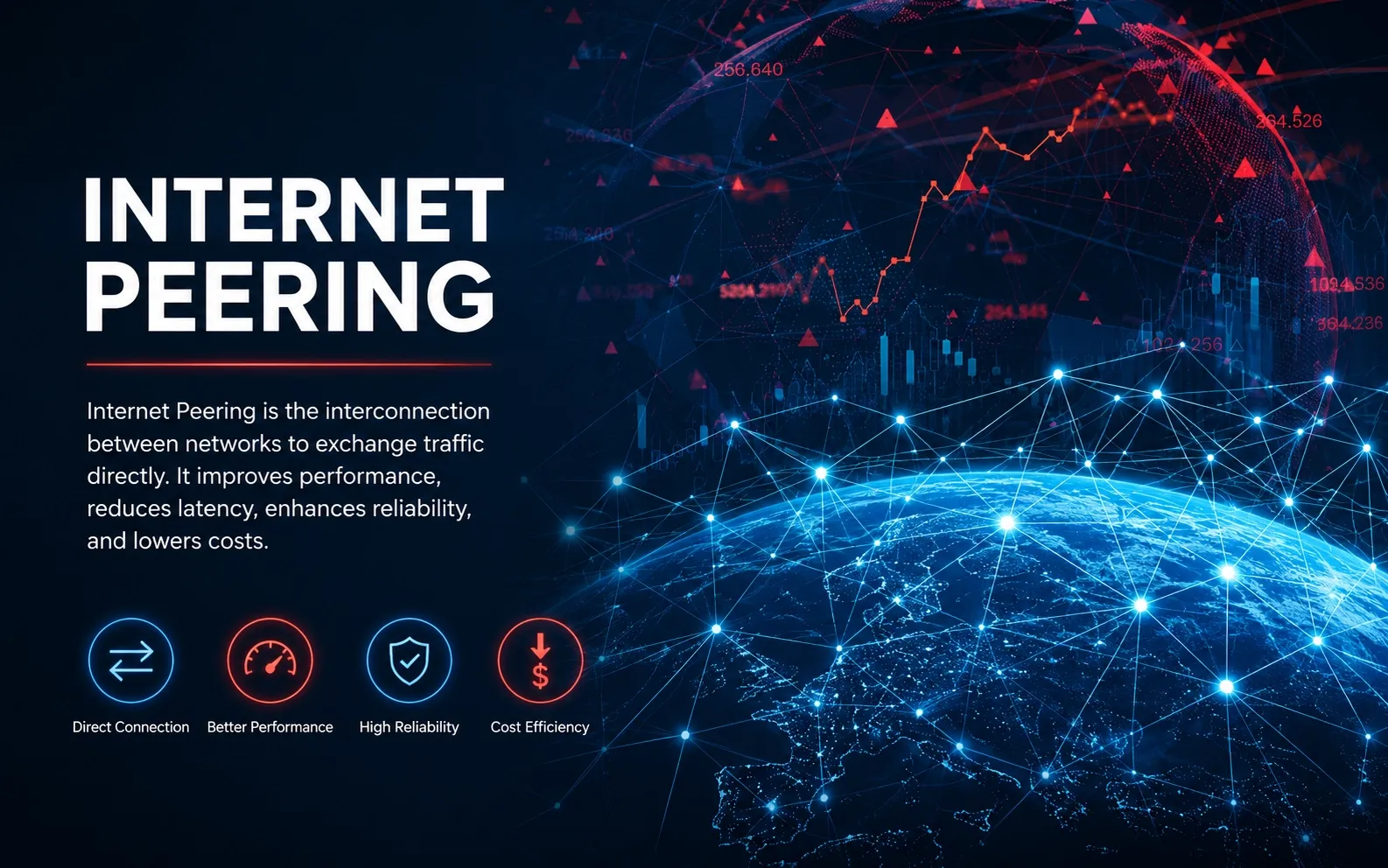
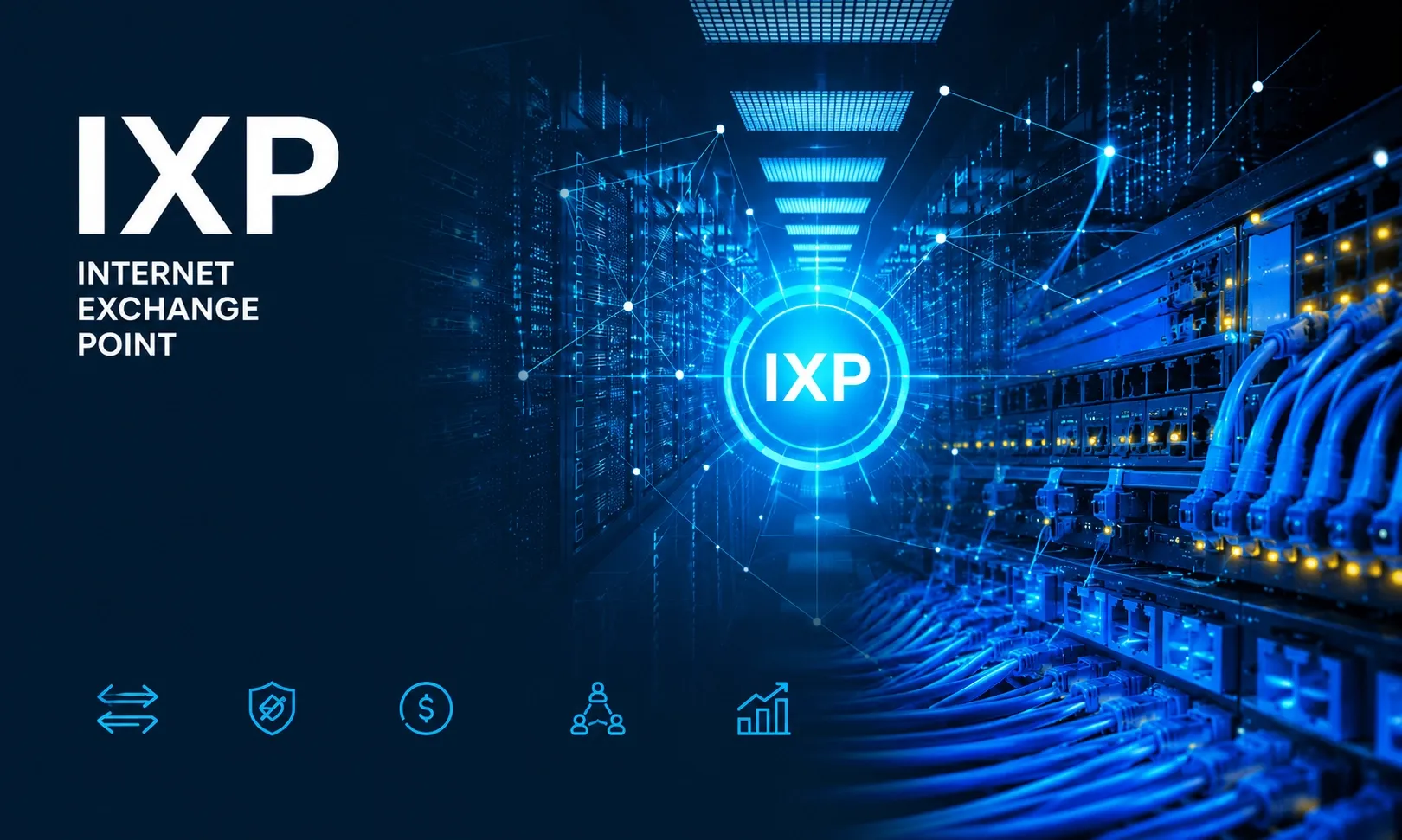
If a country’s Internet connectivity depends on a single major connection or provider, any disruption can have widespread consequences. Alternative connectivity routes, multiple service providers, data centers, and Internet Exchange Points (IXPs) help reduce this dependency. IXPs allow local Internet traffic to be exchanged within the country instead of traveling through other countries, making connections faster, more efficient, and more reliable.
When it comes to network performance and connectivity, Internet speed alone is not enough. The network must remain stable under heavy traffic and during emergencies, provide low latency, and ensure uninterrupted data transmission.
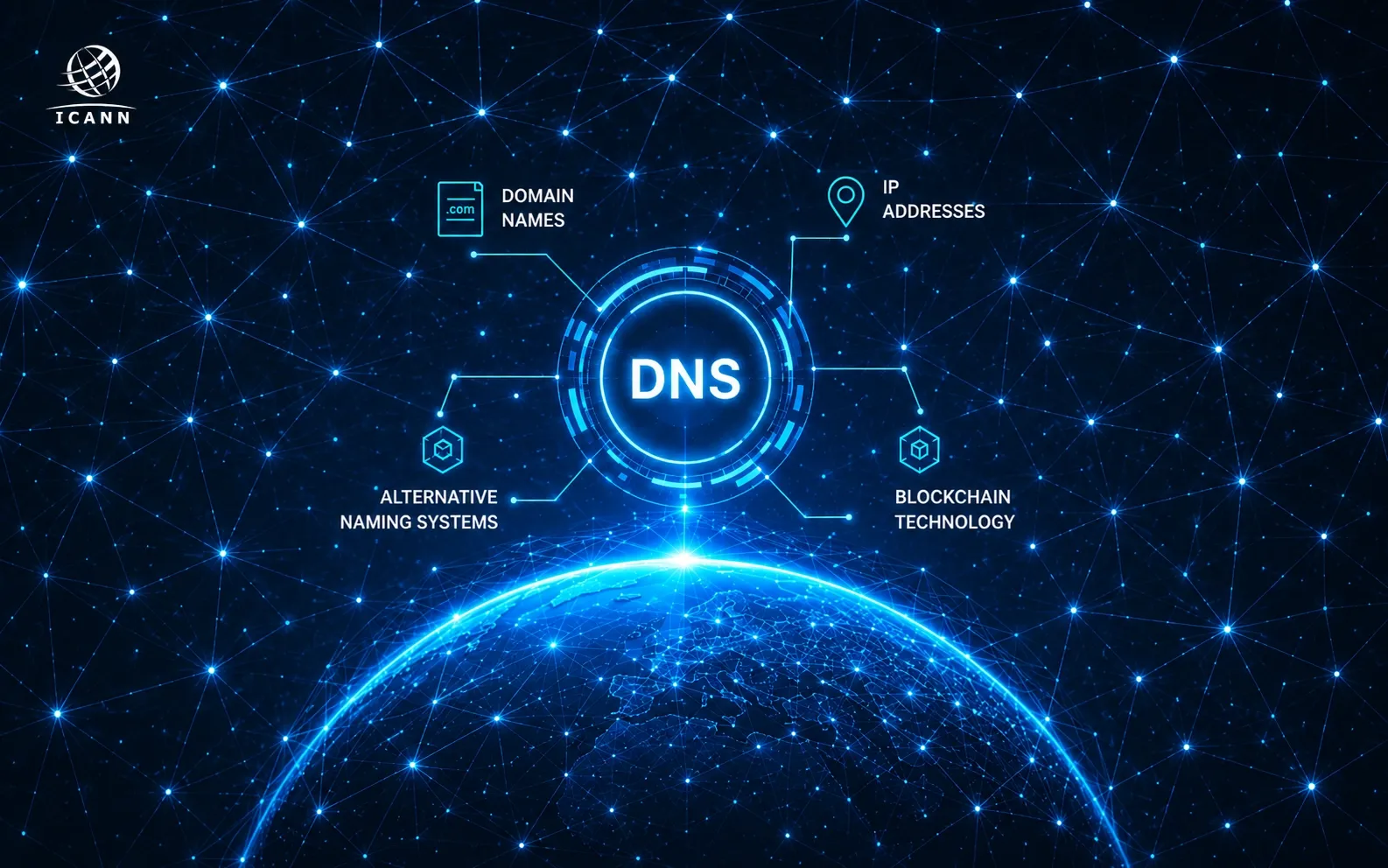
DNSSEC helps protect the Domain Name System by verifying the authenticity and integrity of DNS data, while secure routing mechanisms reduce the risk of Internet traffic being misdirected or maliciously hijacked. The deployment of IPv6 is also essential, as it prepares the Internet for the continuous growth of connected devices and digital services.
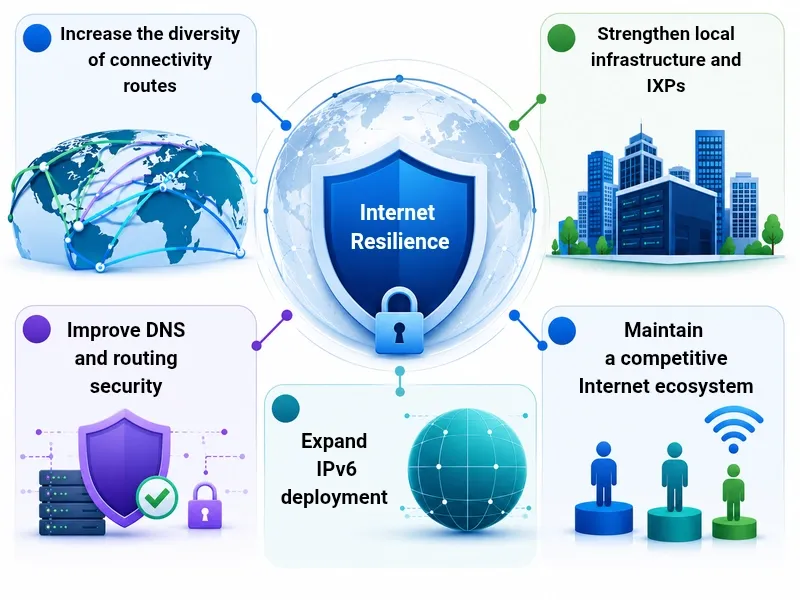
Building Internet resilience requires a comprehensive approach: increasing the diversity of connectivity routes, strengthening local infrastructure and IXPs, improving DNS and routing security, expanding IPv6 deployment, and maintaining a competitive Internet ecosystem.
Simply put, a resilient Internet is more than just a fast connection. It is an Internet that is prepared to operate reliably under a wide range of challenges, continue functioning during disruptions, and recover quickly from unexpected or emergency situations—ensuring that our digital lives can continue without interruption.