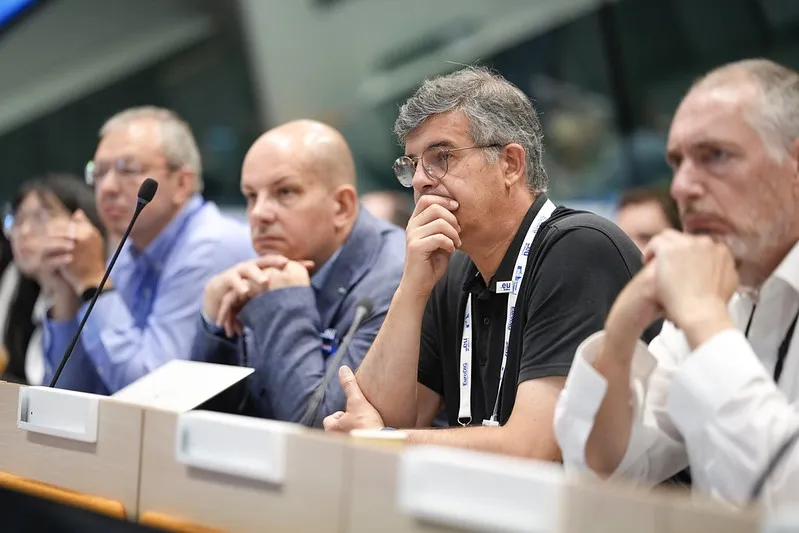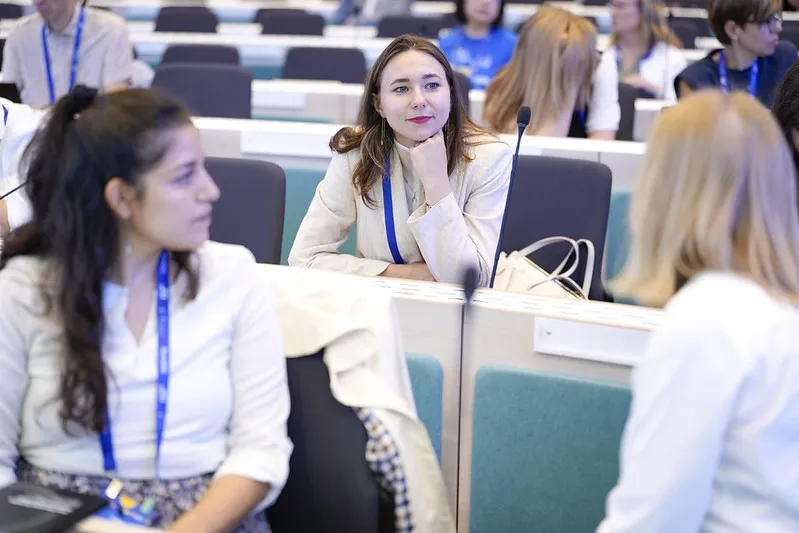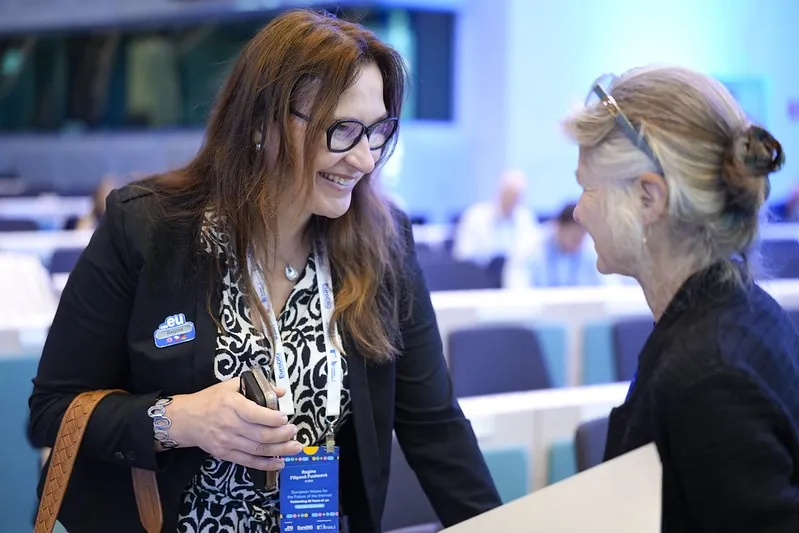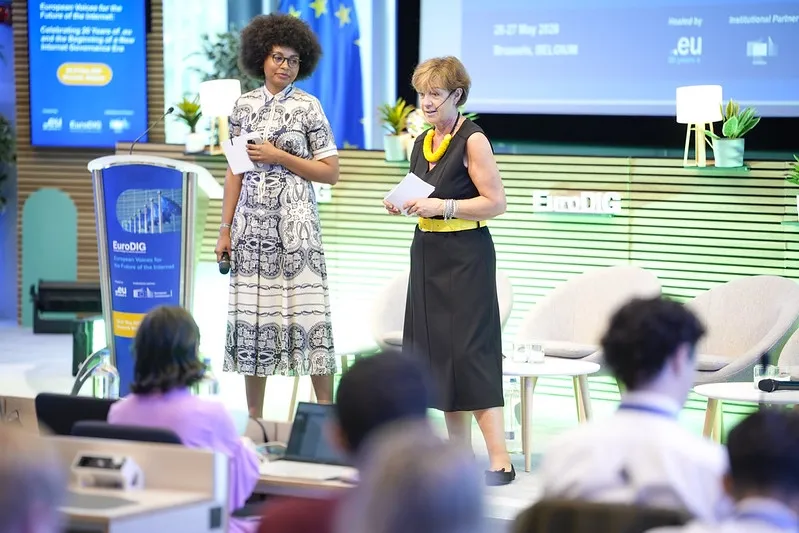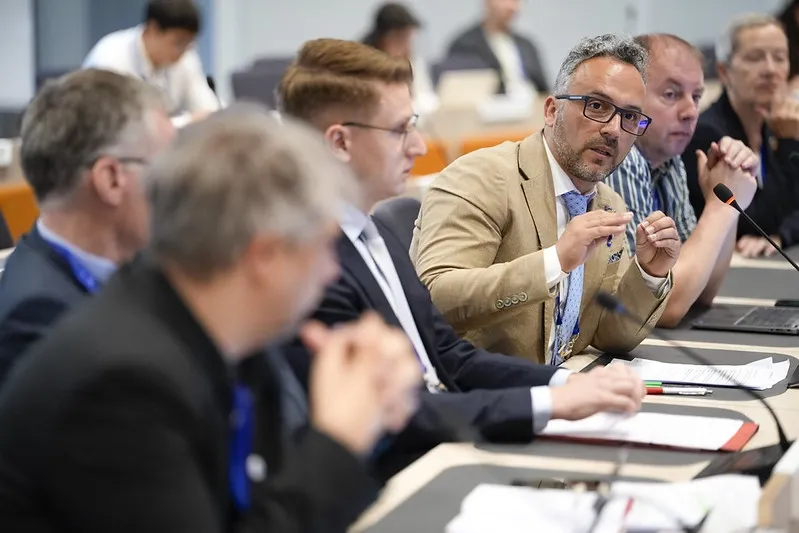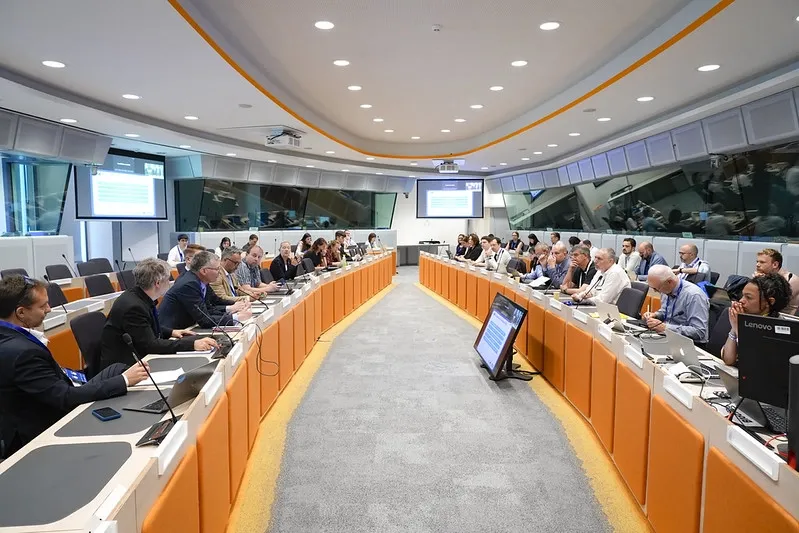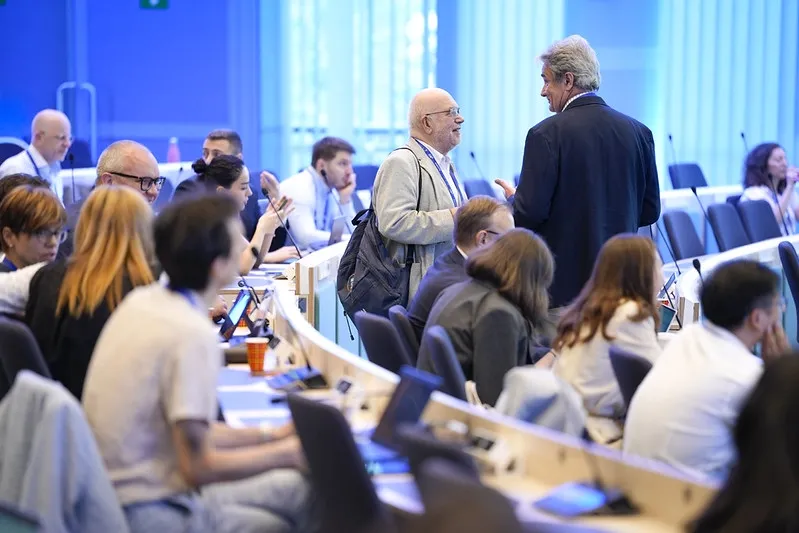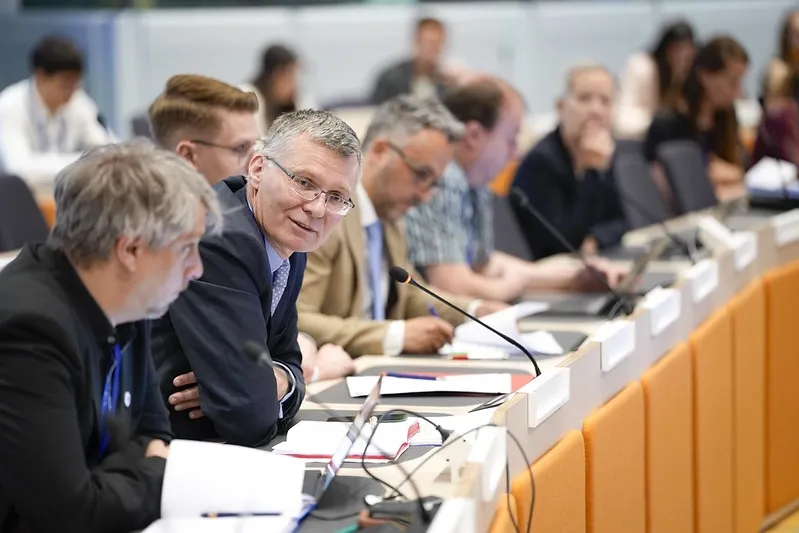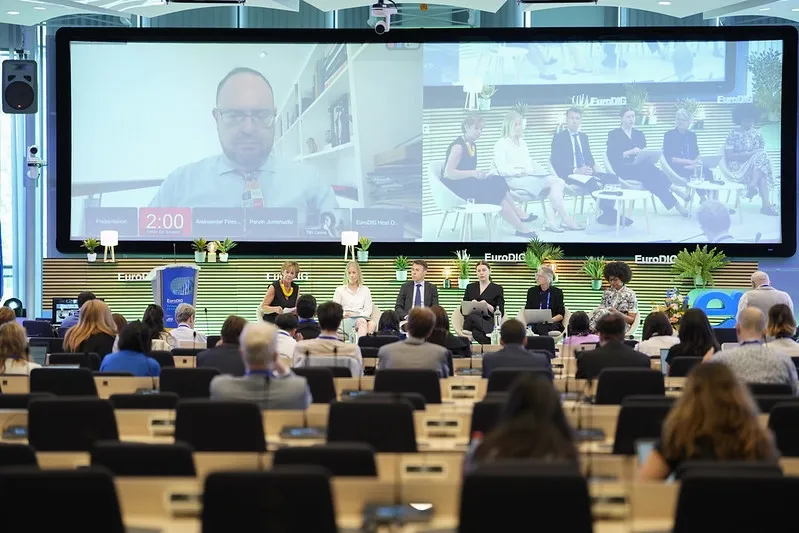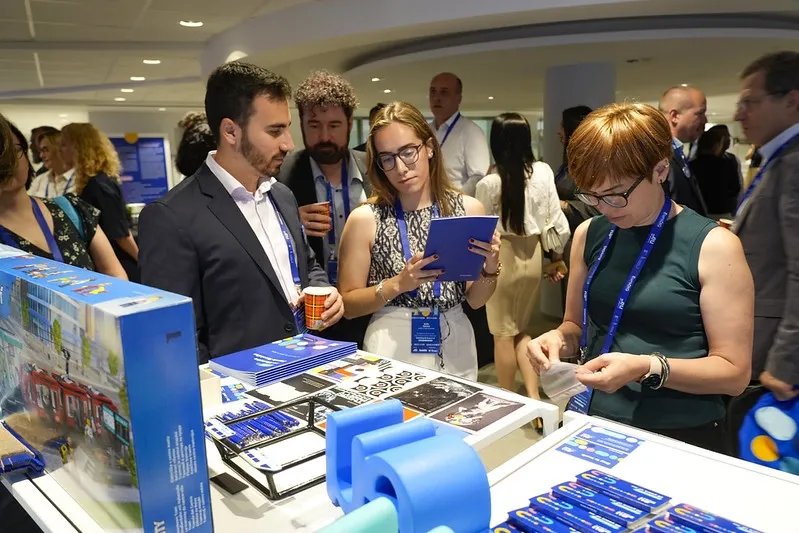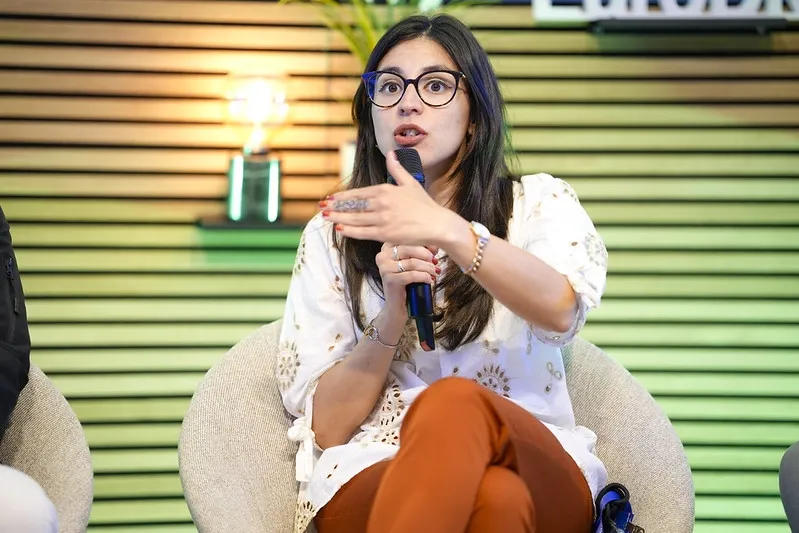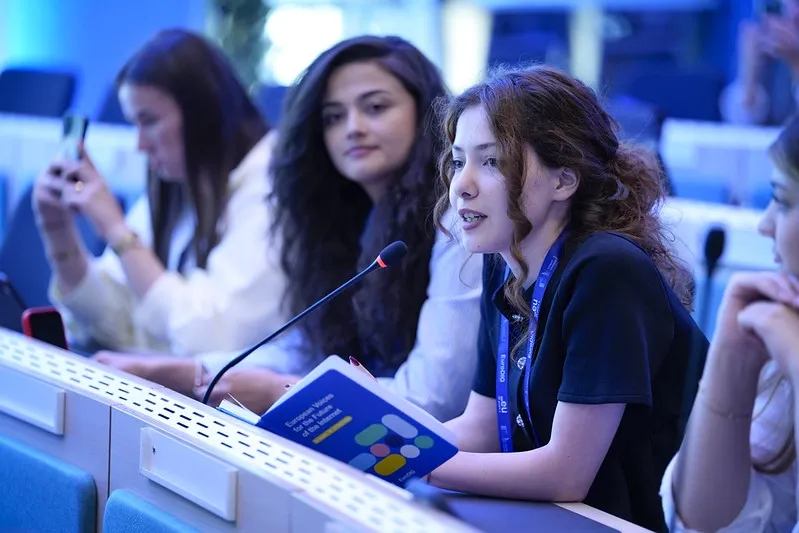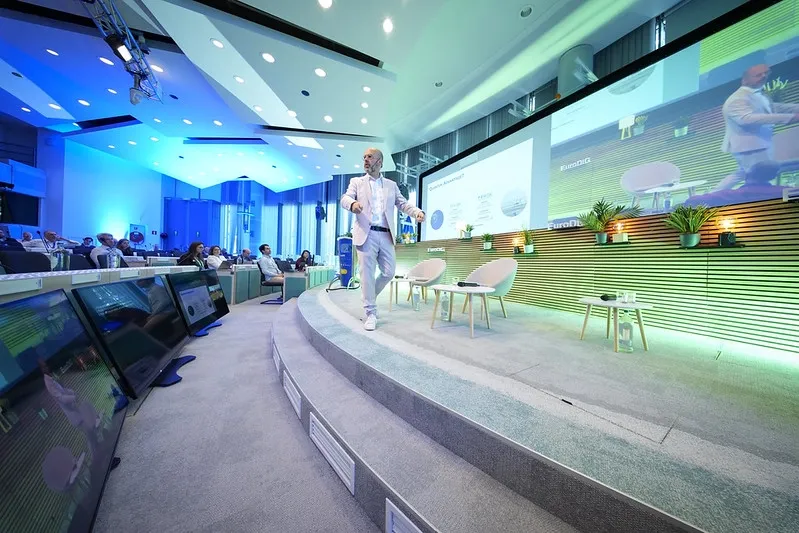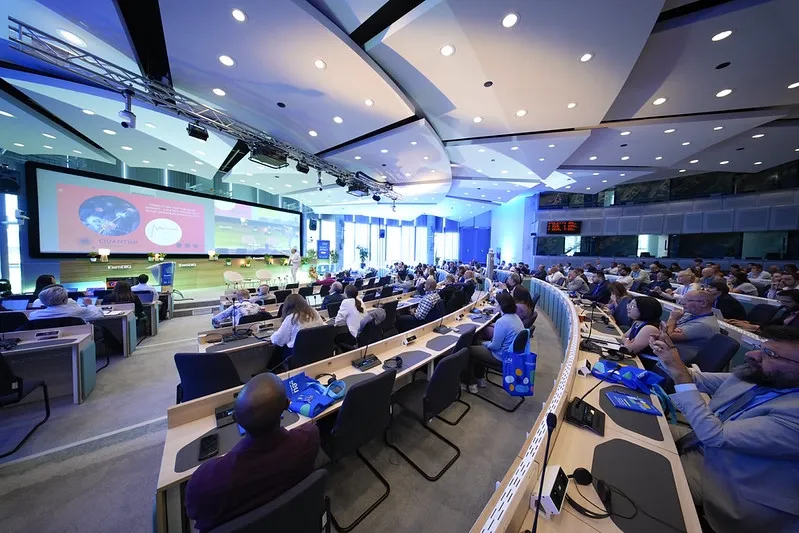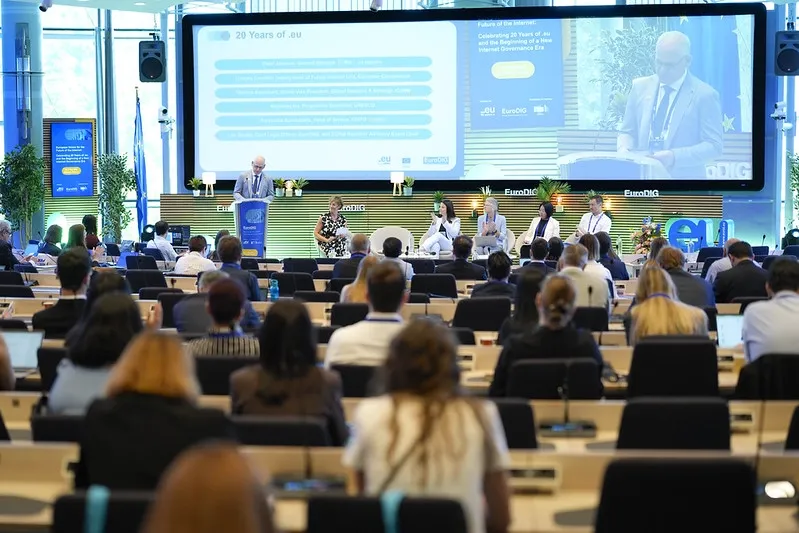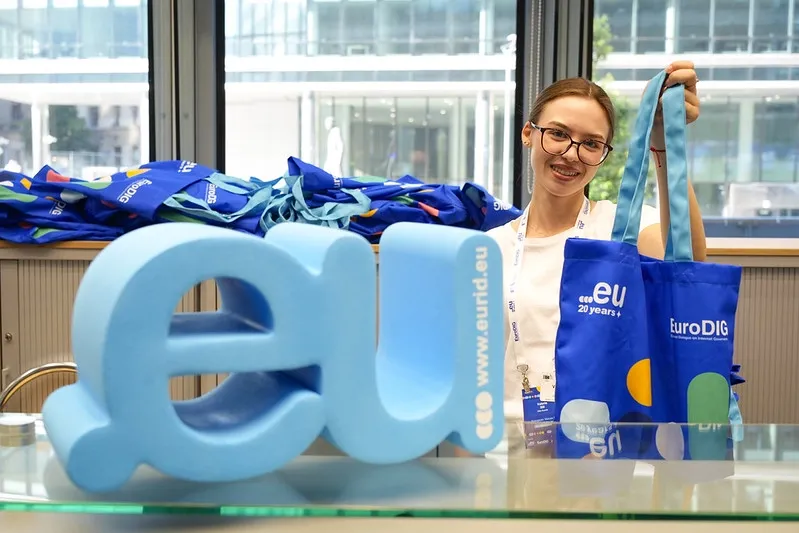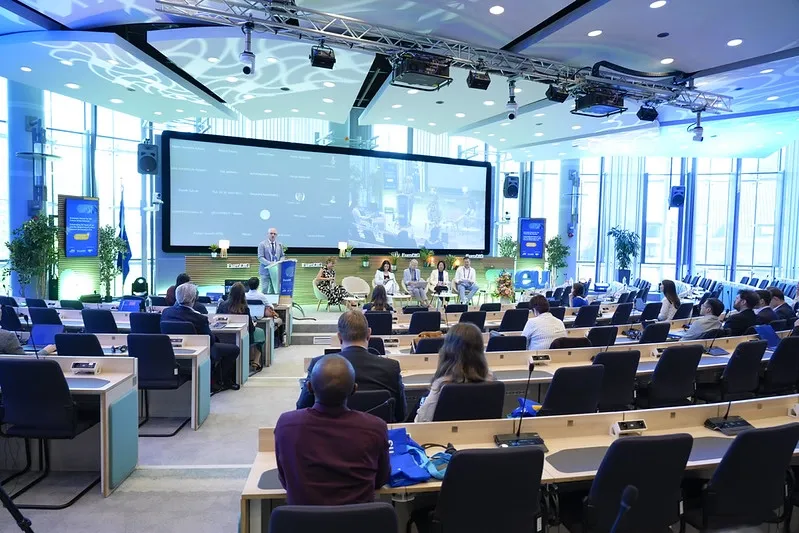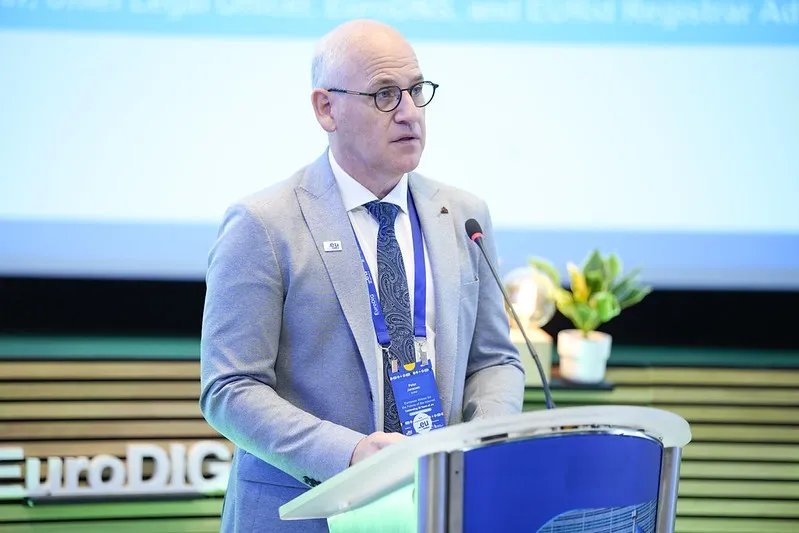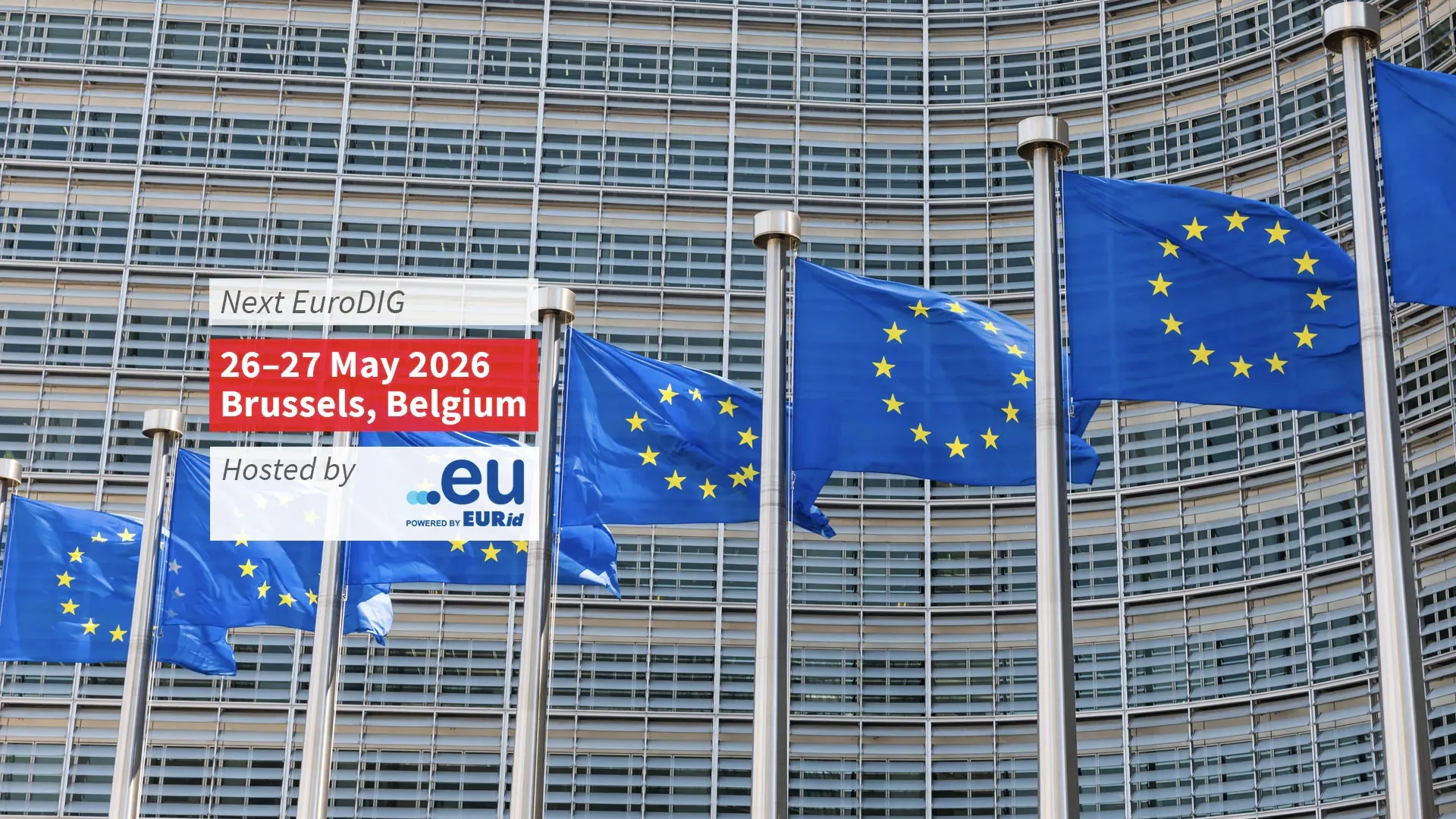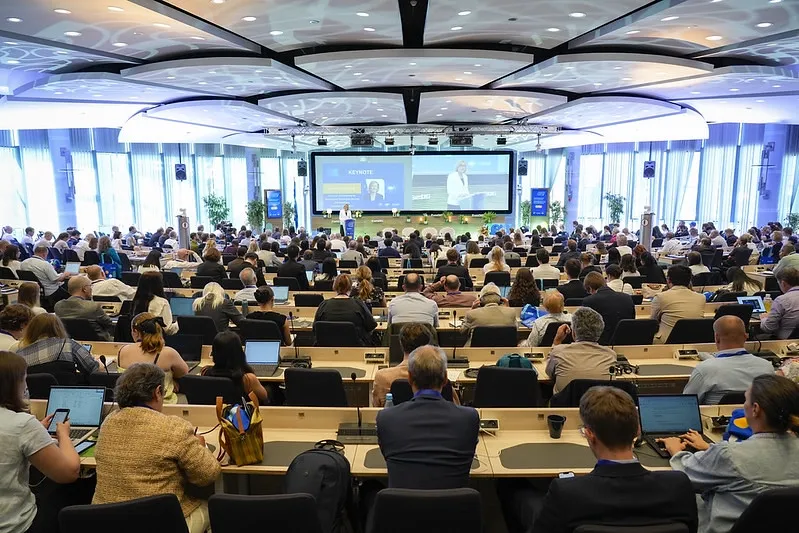
EuroDIG 2026, one of Europe’s leading multistakeholder platforms for Internet governance, brought together policymakers, technical experts, private sector representatives, civil society organizations and academics in Brussels on 26 – 27 May to discuss the priorities that will shape European and global digital policy in the years ahead.
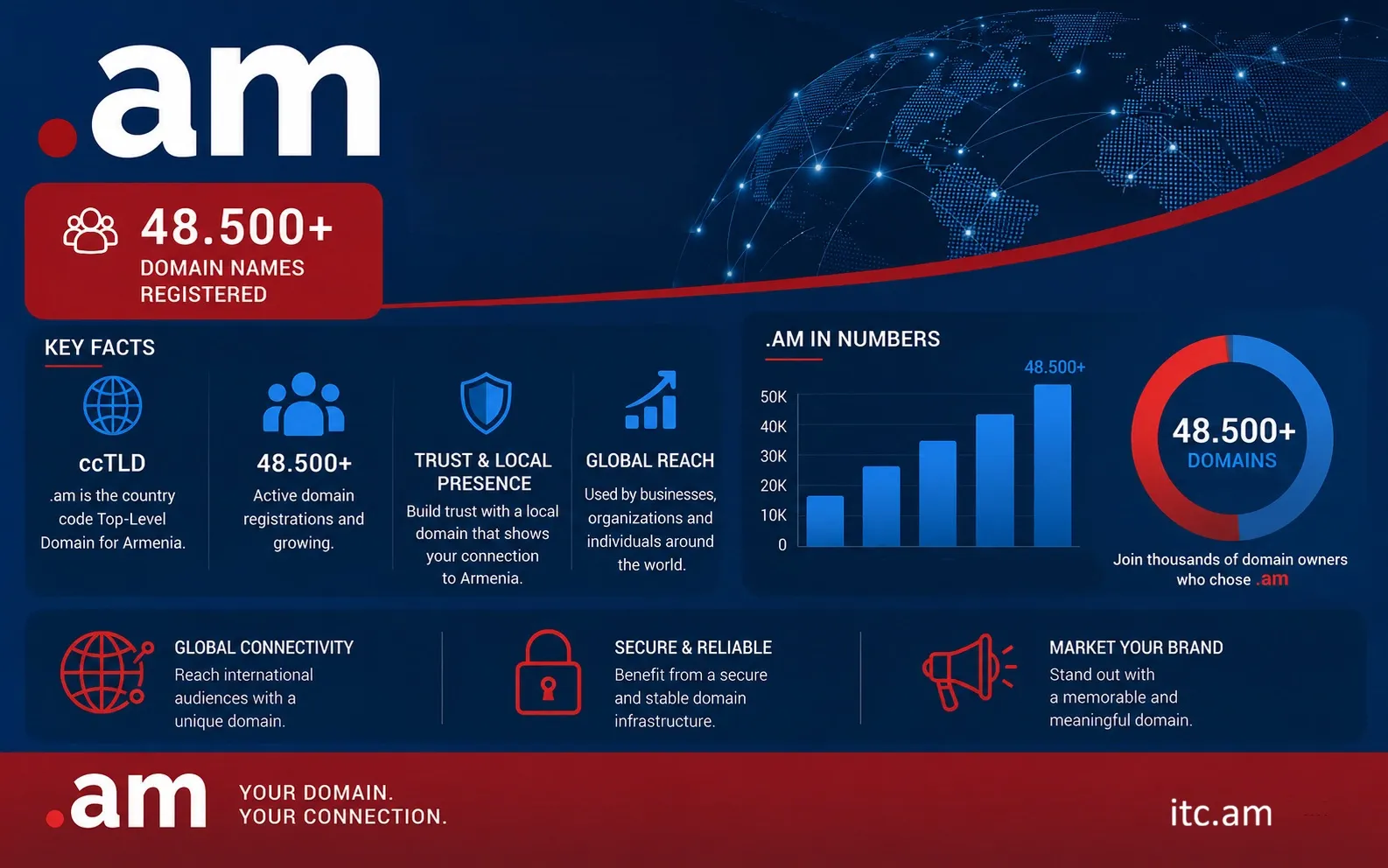
Among the participants from Armenia, alongside representatives of governmental and other institutions, was Kristina Hakobyan, Board Vice Chair of the Internet Society NGO, the organization responsible for managing the .am and .հայ country-code top-level domains.
Reflecting on the event, Kristina Hakobyan noted that the conference agenda addressed the key challenges that will influence both European and global digital policy in the coming years, ranging from the regulation of artificial intelligence to preserving the Internet’s open, secure and multilingual nature. She also emphasized the importance of Armenia’s active engagement in global Internet governance processes.
The conference discussions focused on a broad range of issues, including artificial intelligence, cybersecurity, Internet governance, linguistic diversity online and the protection of children’s rights in the digital environment.
Artificial intelligence was among the central themes of the event. Participants explored the growing impact of AI across society, addressing challenges related to deepfake technologies, disinformation, human rights protection and the responsible governance of AI systems. Dedicated sessions also examined the opportunities and risks associated with the use of AI in public administration, education and the justice sector.
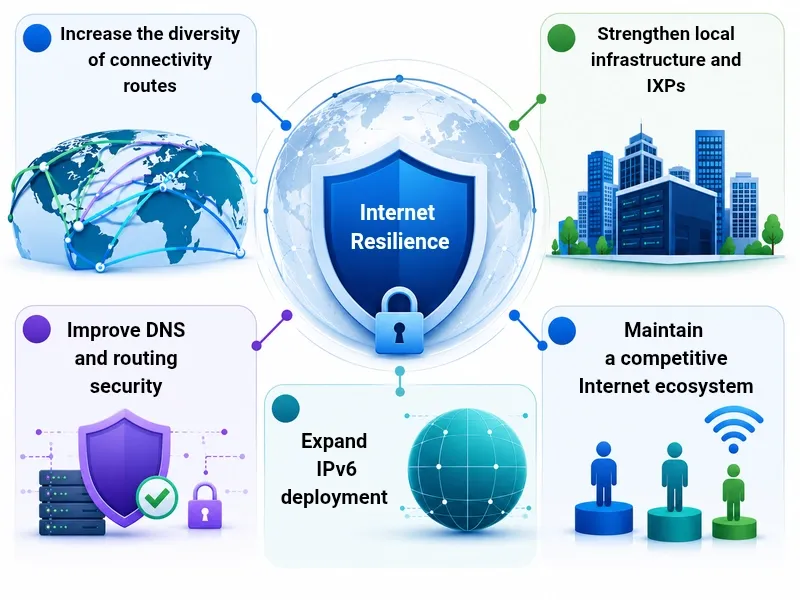
Another major topic was Europe’s pursuit of technological sovereignty. Discussions centered on strengthening resilience and reducing dependencies in critical areas such as digital infrastructure, data processing systems, semiconductor manufacturing and telecommunications, while maintaining the Internet’s openness and global interoperability.
Sessions on quantum technologies examined the potential implications of quantum computing for cybersecurity, encryption, and data protection. Experts also discussed strategies for preparing governments, businesses, and institutions for the technological shifts that quantum advancements may bring.
The relationship between democracy and the digital public sphere also featured prominently on the agenda. Participants assessed the influence of online platforms on public discourse, the risks posed by information manipulation and foreign interference and measures to enhance the resilience of democratic institutions in the digital age.
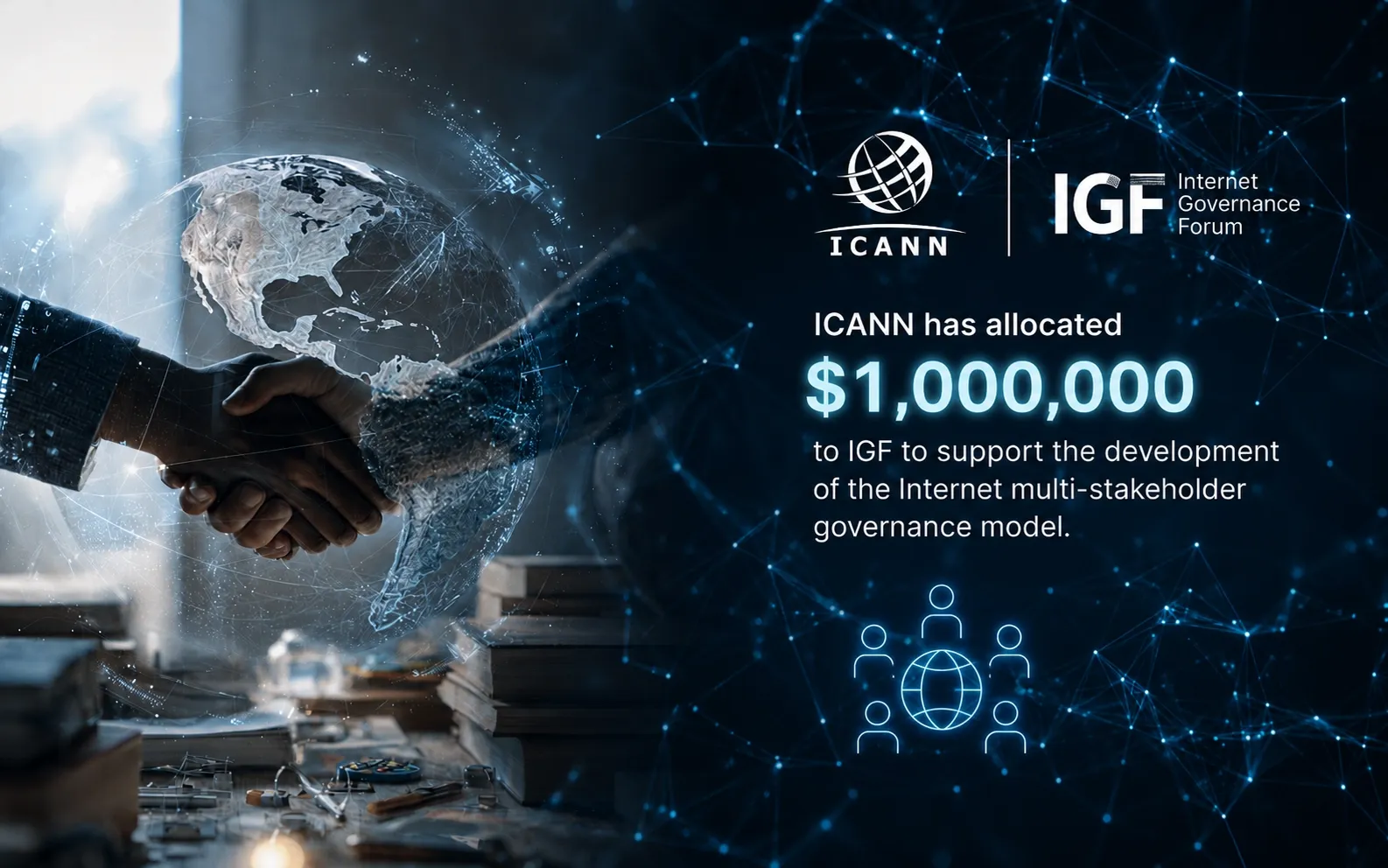
Significant attention was devoted to the WSIS+20 review process under the auspices of the United Nations. Discussions highlighted the growing importance of national and regional Internet Governance Forums (IGFs) as mechanisms for fostering inclusive dialogue and strengthening global digital cooperation.
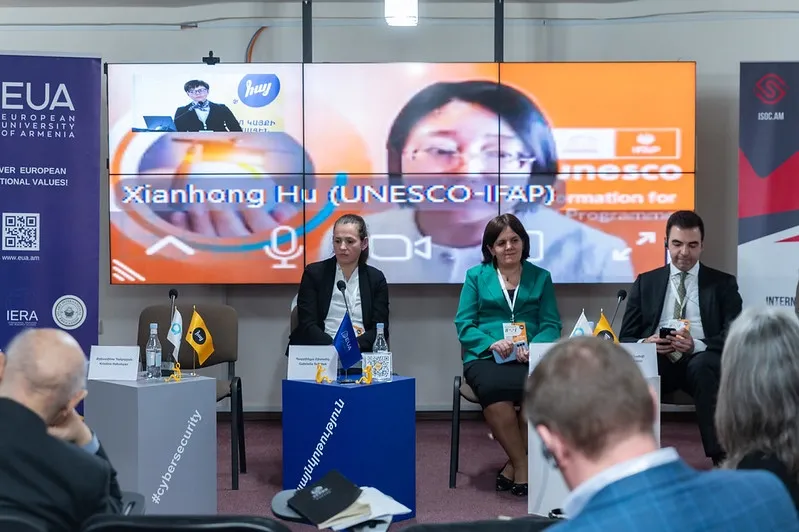
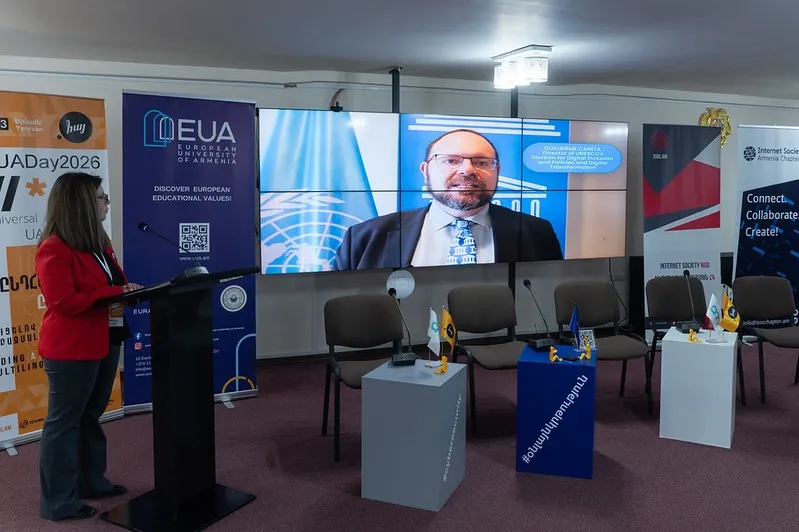
Of particular relevance to Armenia was the joint session organized by UNESCO, ICANN and EuroDIG on Universal Acceptance. The discussion focused on ensuring full technical support for domain names and email addresses in national scripts, as well as promoting linguistic diversity and inclusivity across the Internet.
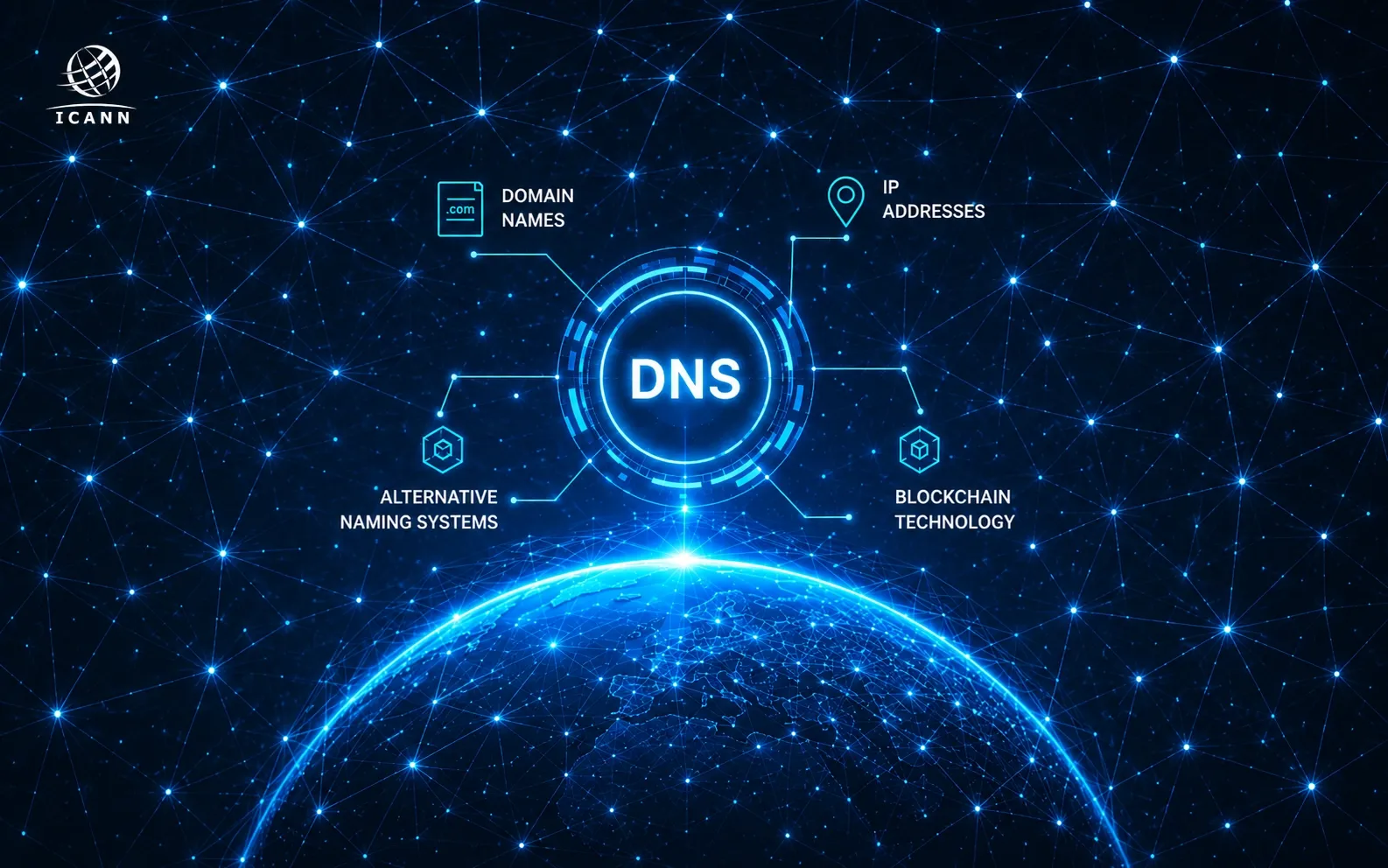
The conference also addressed a number of other pressing issues, including children’s online safety, European digital identity frameworks, mechanisms for mitigating threats at the DNS and IP levels and advancing gender equality in the digital environment.
EuroDIG 2026 once again demonstrated the value of multistakeholder dialogue in addressing the complex challenges of digital transformation and shaping a more secure, inclusive and resilient digital future.