In the global market for Internationalized Domain Names (IDNs), Russia’s .рф and Belarus’s .бел domains have consistently ranked among the world’s top 20 IDNs by registration volume since their launch. They also continue to hold leading positions among Cyrillic-script domains. Currently, there are 797,000 registrations in the .рф domain and more than 15,400 in .бел.
Experts attribute these results not only to sustained professional efforts but also to strong government support in both countries. This support has significantly contributed to the wider adoption of domains in national alphabets and to the broader development of a multilingual internet.
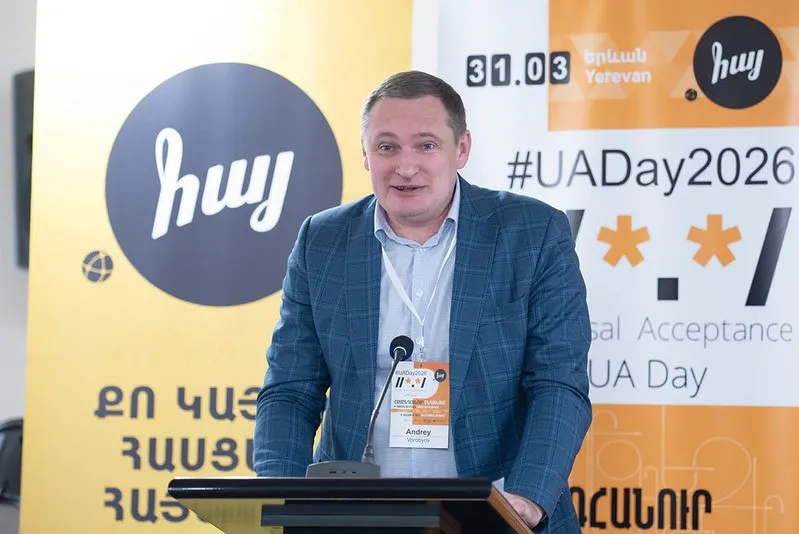
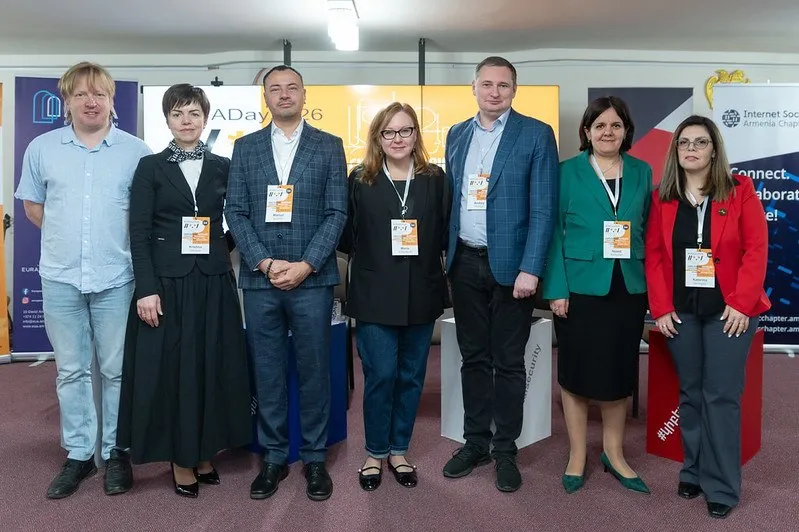
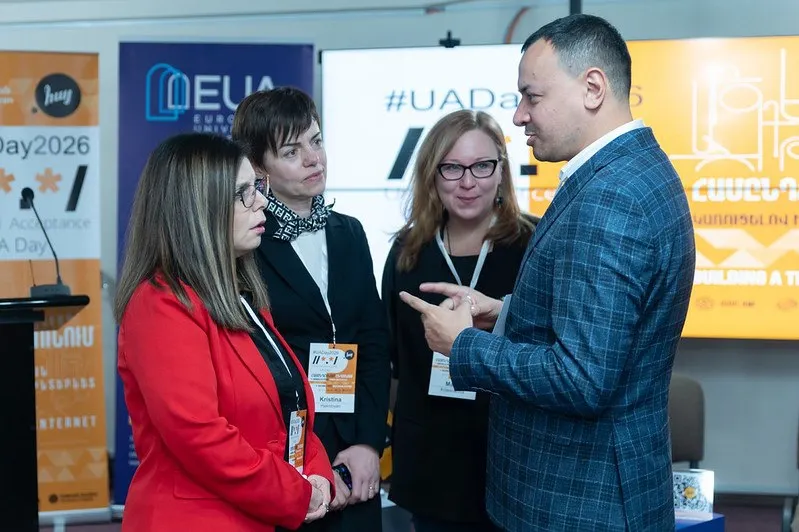
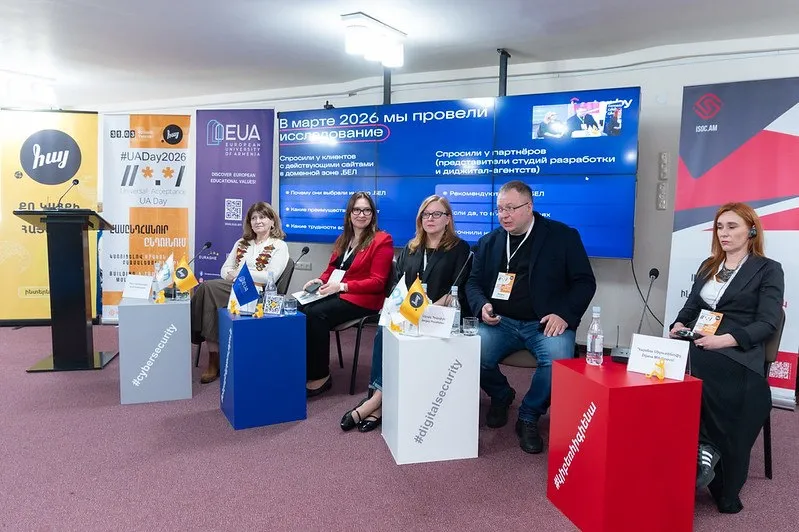
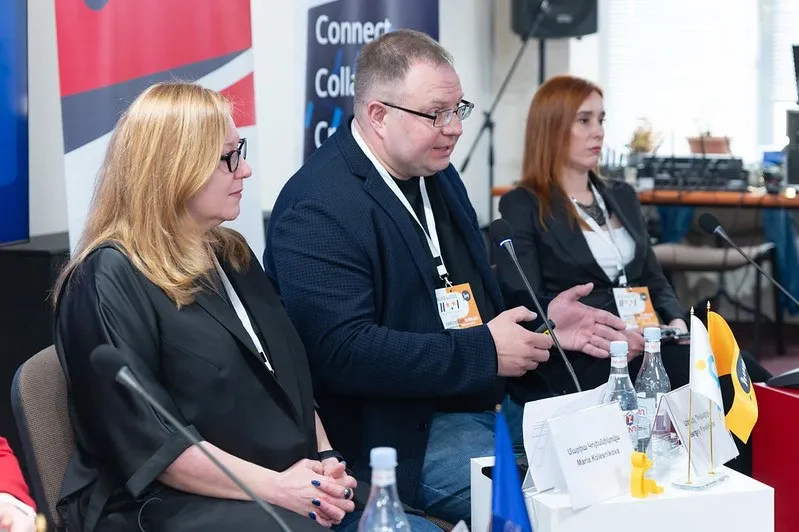
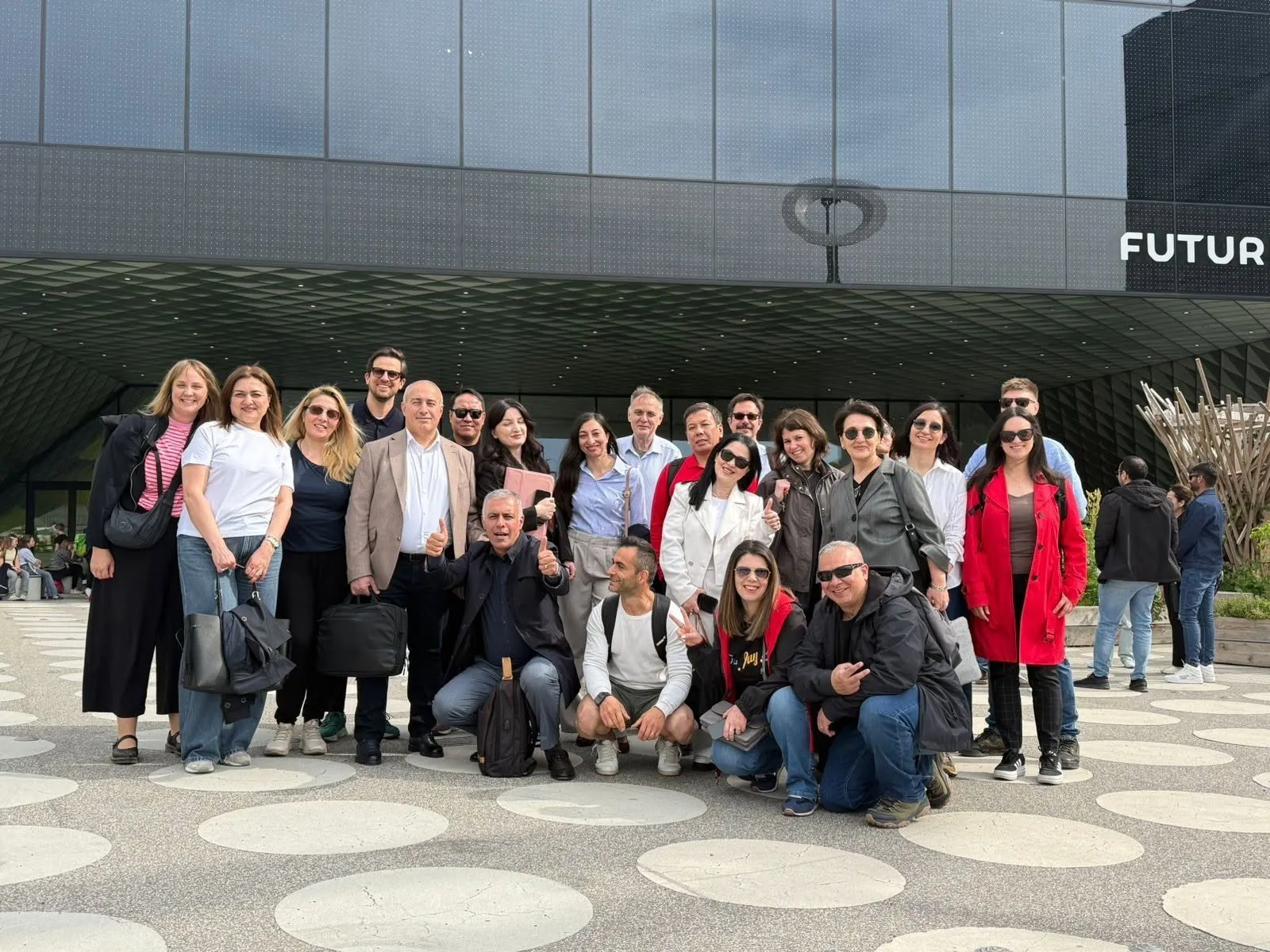
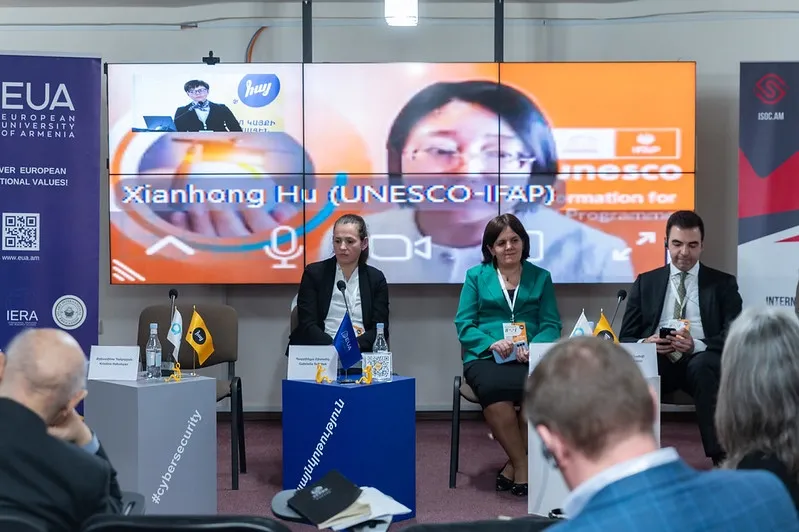
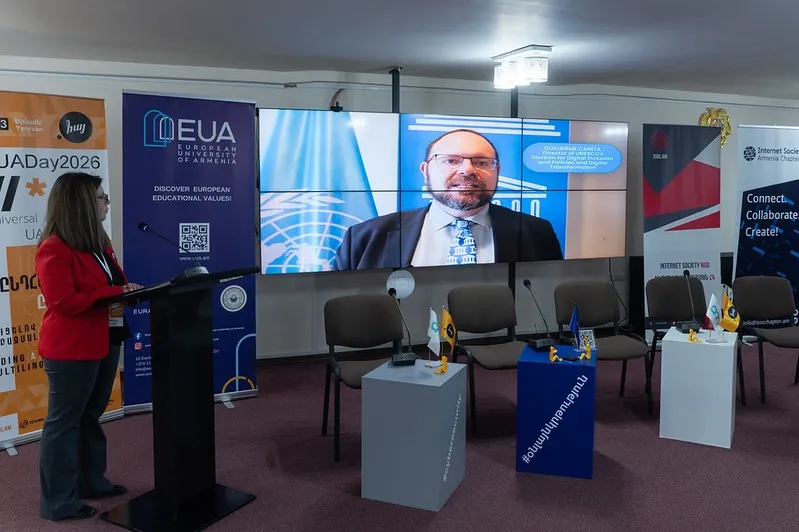
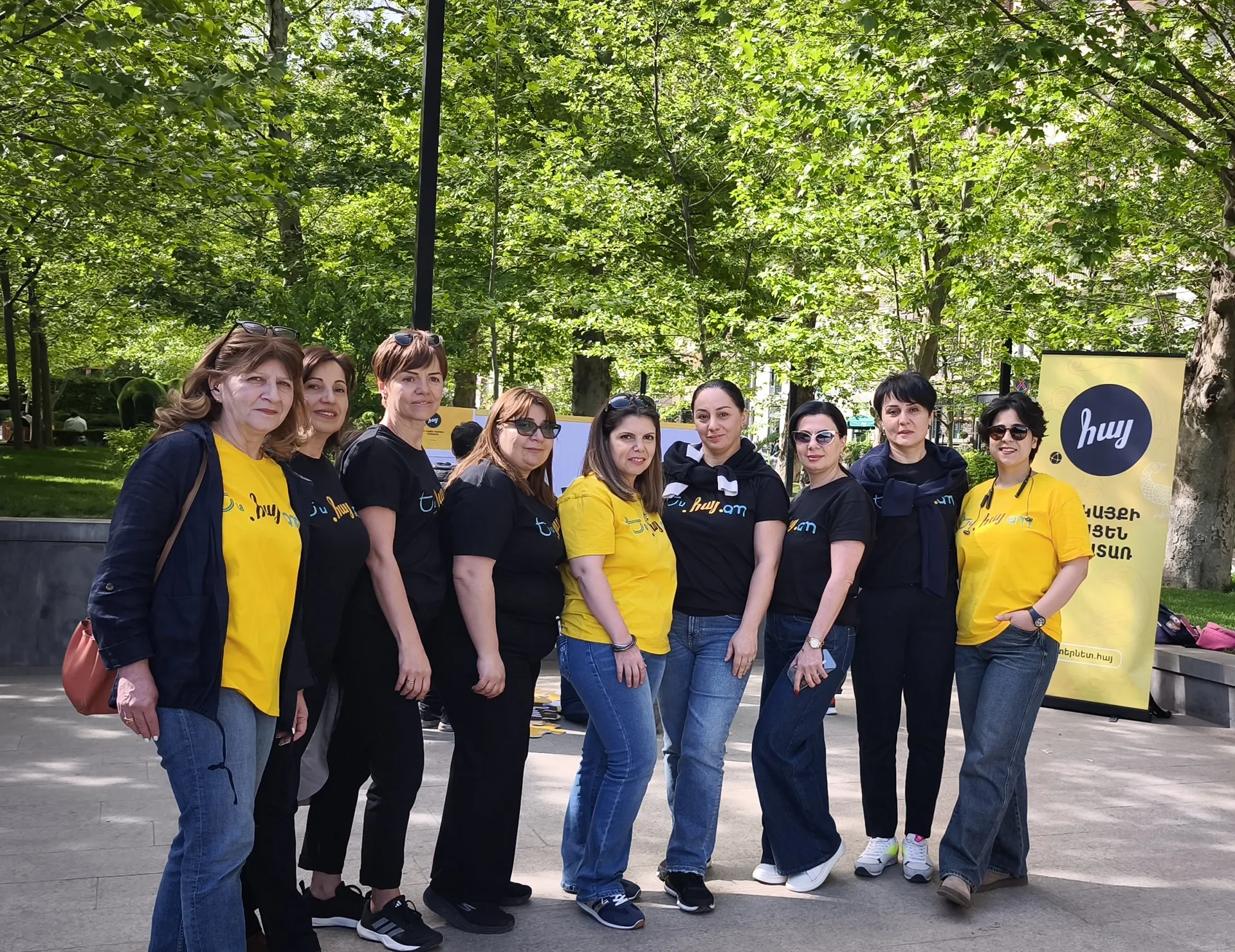
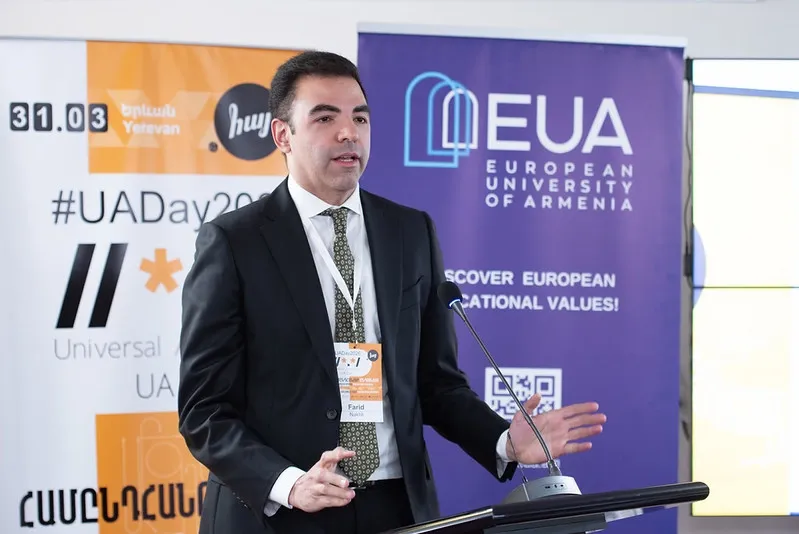
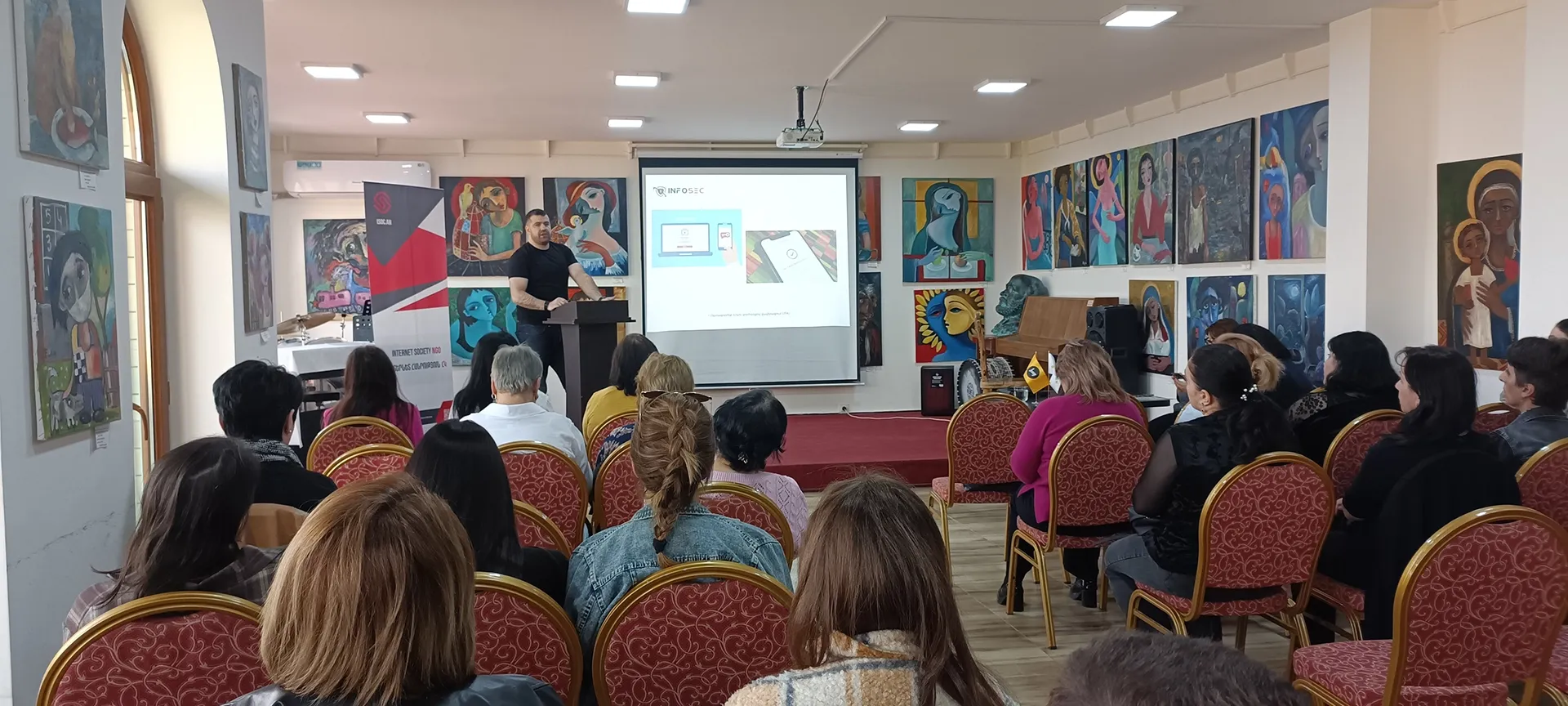
These topics were discussed on March 31 in Yerevan during the UADay2026 regional conference titled “Building a Truly Multilingual Internet,” organized by the Internet Society NGO, the registry operator for the .am and .հայ domain zones.
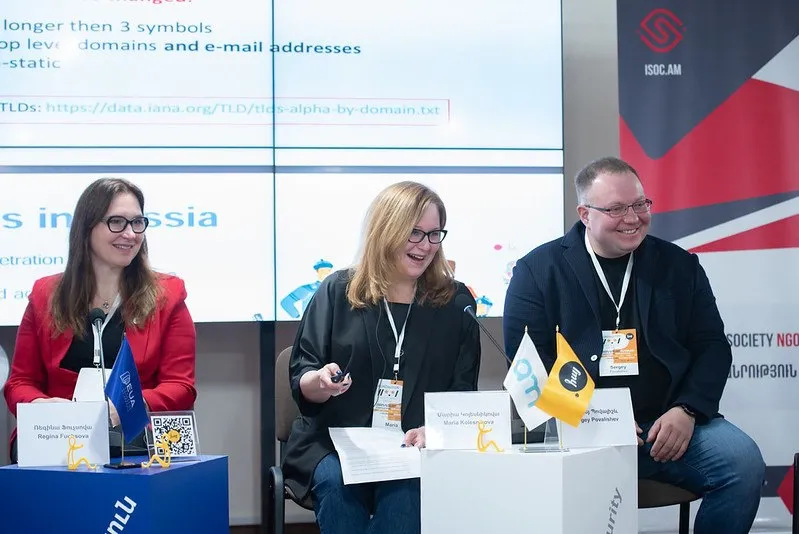
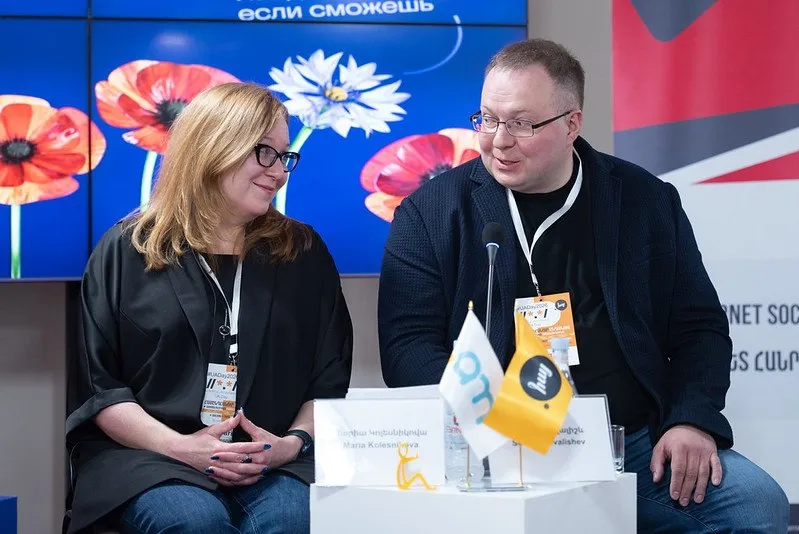
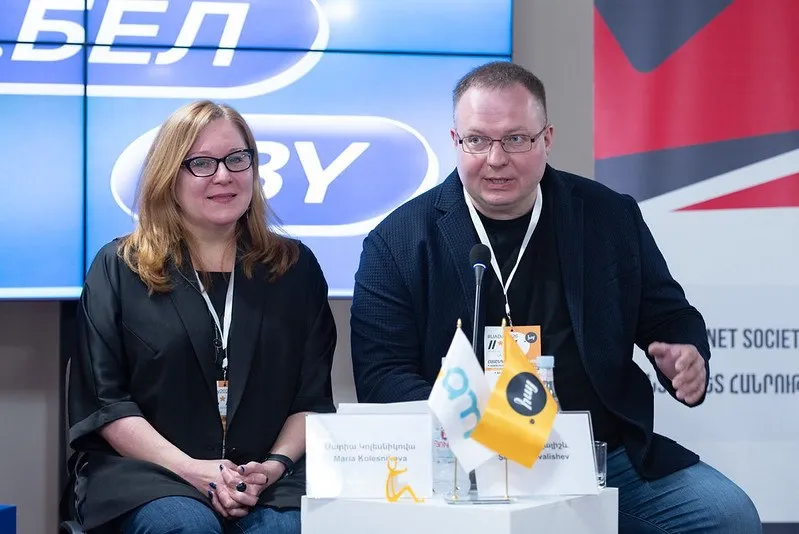
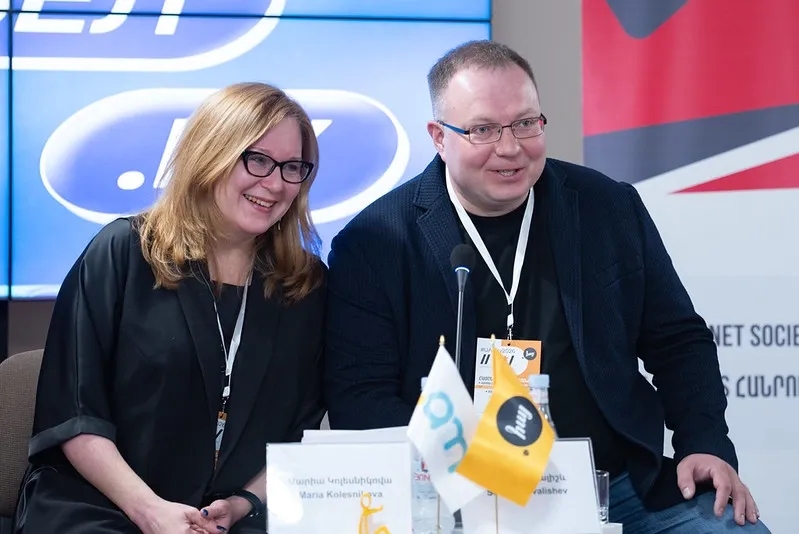
Maria Kolesnikova, Chief Analyst at the Coordination Center for .RU/.РФ domains, presented key priorities for advancing a multilingual internet, highlighting the importance of the education sector. She noted that their current focus is on academic communities and educational institutions, as young people play a decisive role in shaping the internet’s future. According to her, the universal acceptance of IDNs and email addresses in software environments promotes youth engagement and fosters linguistic and cultural diversity online.
Sergey Povalyshev, Director of Hoster.by, the registry for Belarus’s .BY/.БЕЛ domains, discussed the usage structure of the .бел domain. According to his data, approximately 55% of .бел registrations are active websites, 19% are redirected domains (91% of which point to the Latin-script .by domain) and 26% are reserved for future use.
He also noted that .бел domain registrations come from 33 countries, including Russia, the United States and Canada, although around 80% originate from Minsk. A survey conducted by Hoster.by shows that Cyrillic domains are often perceived as an alternative to traditional country-code domains. Their use helps build user trust, simplifies the creation of memorable and searchable web addresses, supports small business growth and serves as an additional tool for larger companies.
According to the conference organizers, the experience of Cyrillic domains demonstrates that government support, technological progress and educational initiatives can play a decisive role in building a truly multilingual internet.