Today nearly 2.2 billion people around the world still lack access to the internet. At the same time, of the more than 7,000 languages spoken globally, only a few hundred are represented in the digital space. Yet digital inclusion is not merely a technological issue, it is closely tied to linguistic rights, education, cultural diversity and social equality.
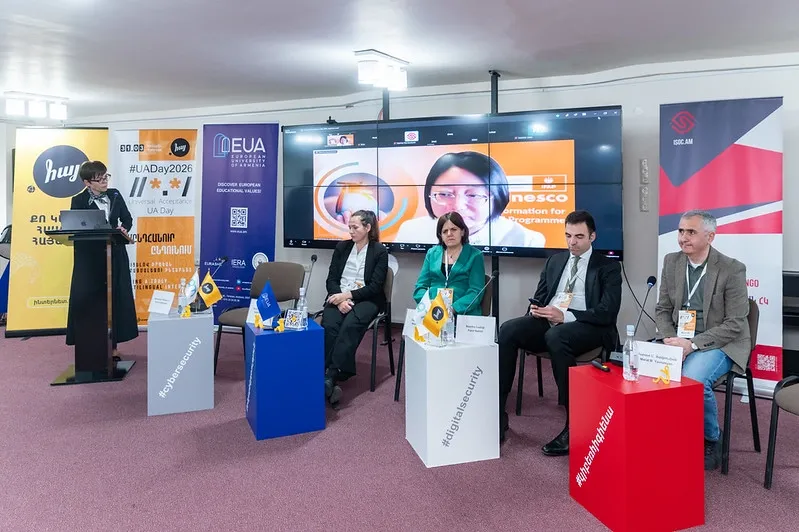
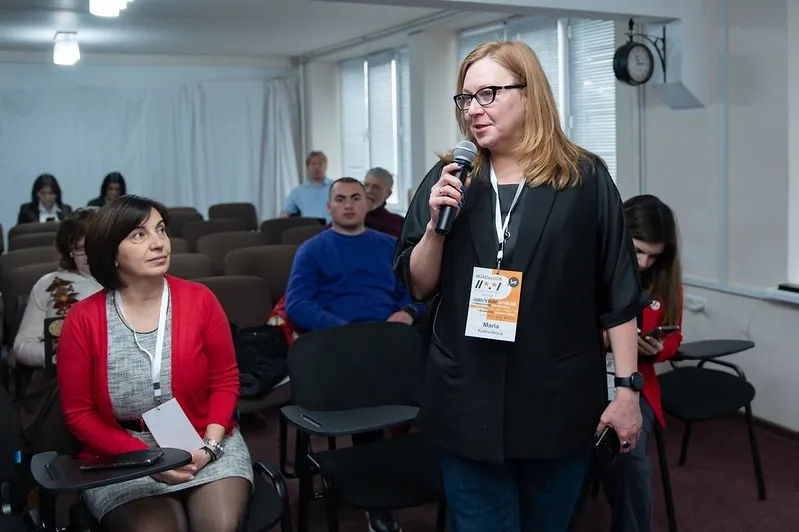
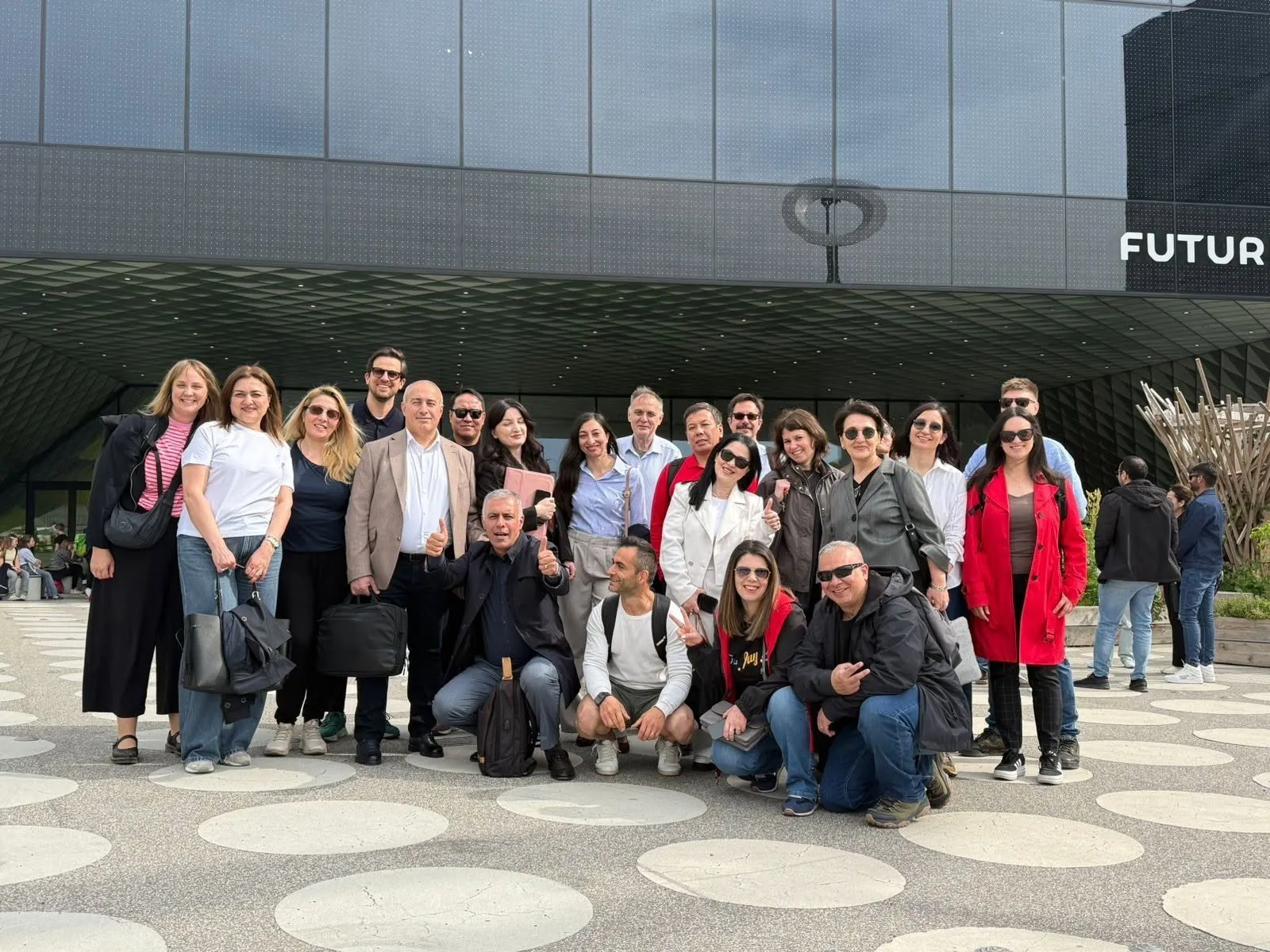
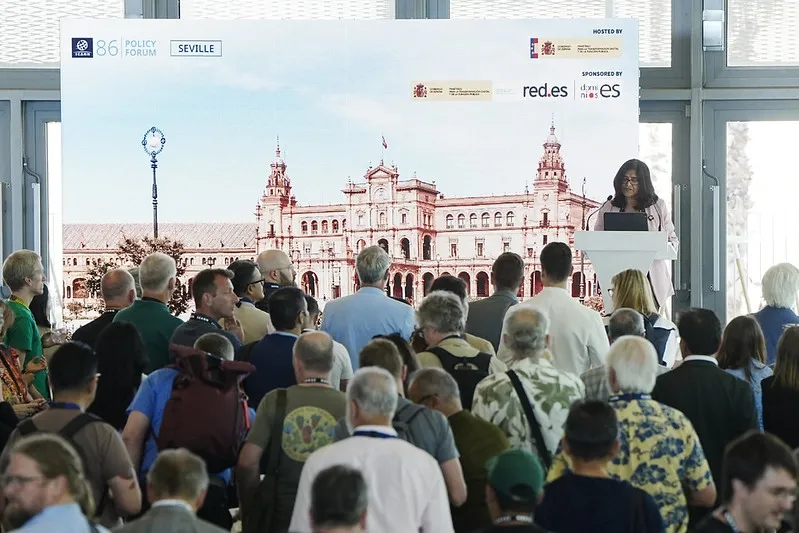
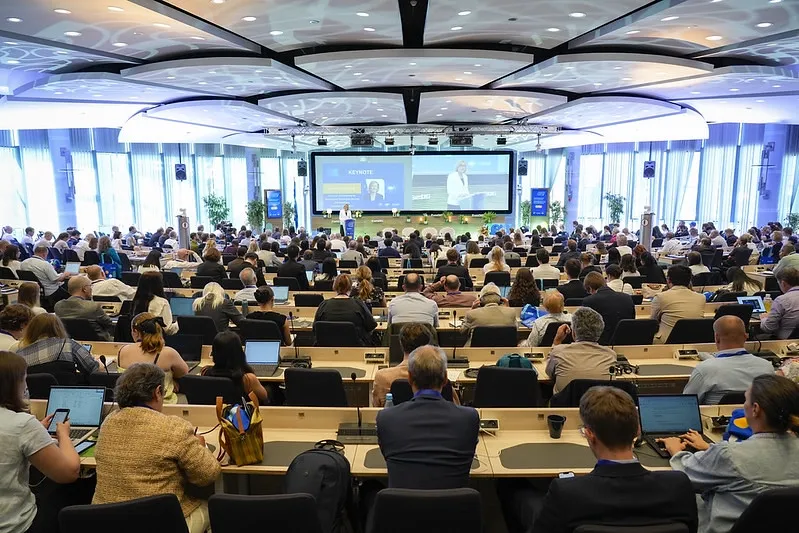
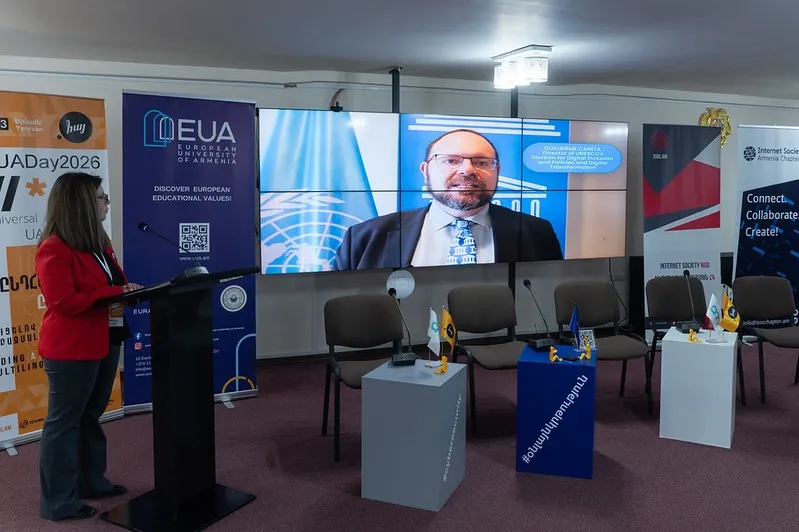
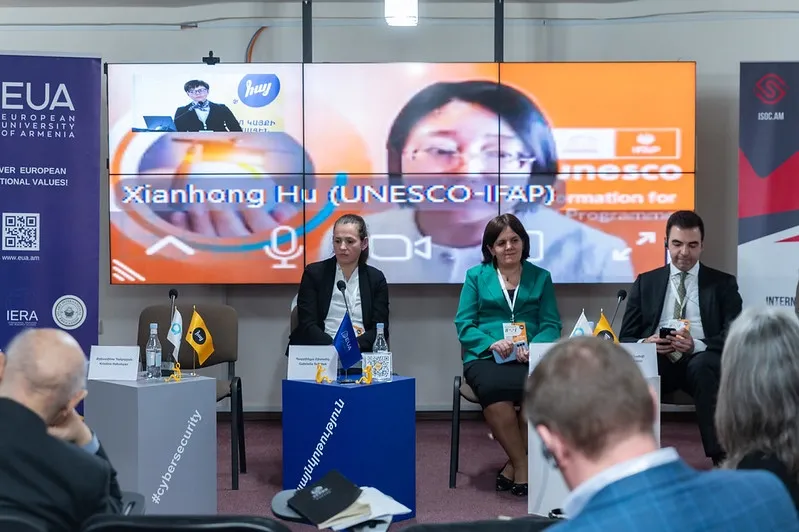
These issues were highlighted during the UADay 2026 regional conference held in Yerevan, where Xianhong Hu, Programme Specialist at UNESCO, presented the organization’s strategy for building a multilingual and inclusive digital future and emphasized the global importance of Universal Acceptance (UA).
Hu noted that multilingualism has already been incorporated into the priorities of both the Global Digital Compact and the WSIS+20 (World Summit on the Information Society) process. Key objectives include the creation of multilingual digital content, the advancement of open-source technologies and the promotion of Internationalized Domain Names (IDNs) and Universal Acceptance implementation.
“No language should be left behind in the digital world,” Hu stated, reaffirming UNESCO’s commitment to digital linguistic inclusion.
She also recalled that UNESCO adopted the “Recommendation concerning the Promotion and Use of Multilingualism and Universal Access to Cyberspace” back in 2003, establishing the principle that every individual should be able to access the digital environment in their native language.
A new phase of cooperation between UNESCO and ICANN was formalized in 2025 through a renewed agreement between the two organizations, reaffirming their joint commitment to advancing UA initiatives and fostering the development of a multilingual internet.
In 2025 UADay was marked worldwide through 59 regional and national events that brought together 7,695 participants. This year, 30 initiatives were selected from 71 applications submitted across Europe, Africa, the Asia-Pacific region, Latin America and the Caribbean. UADay2026 in Yerevan was among the selected initiatives, serving as an open, multistakeholder regional platform for discussing Universal Acceptance and digital inclusion challenges.