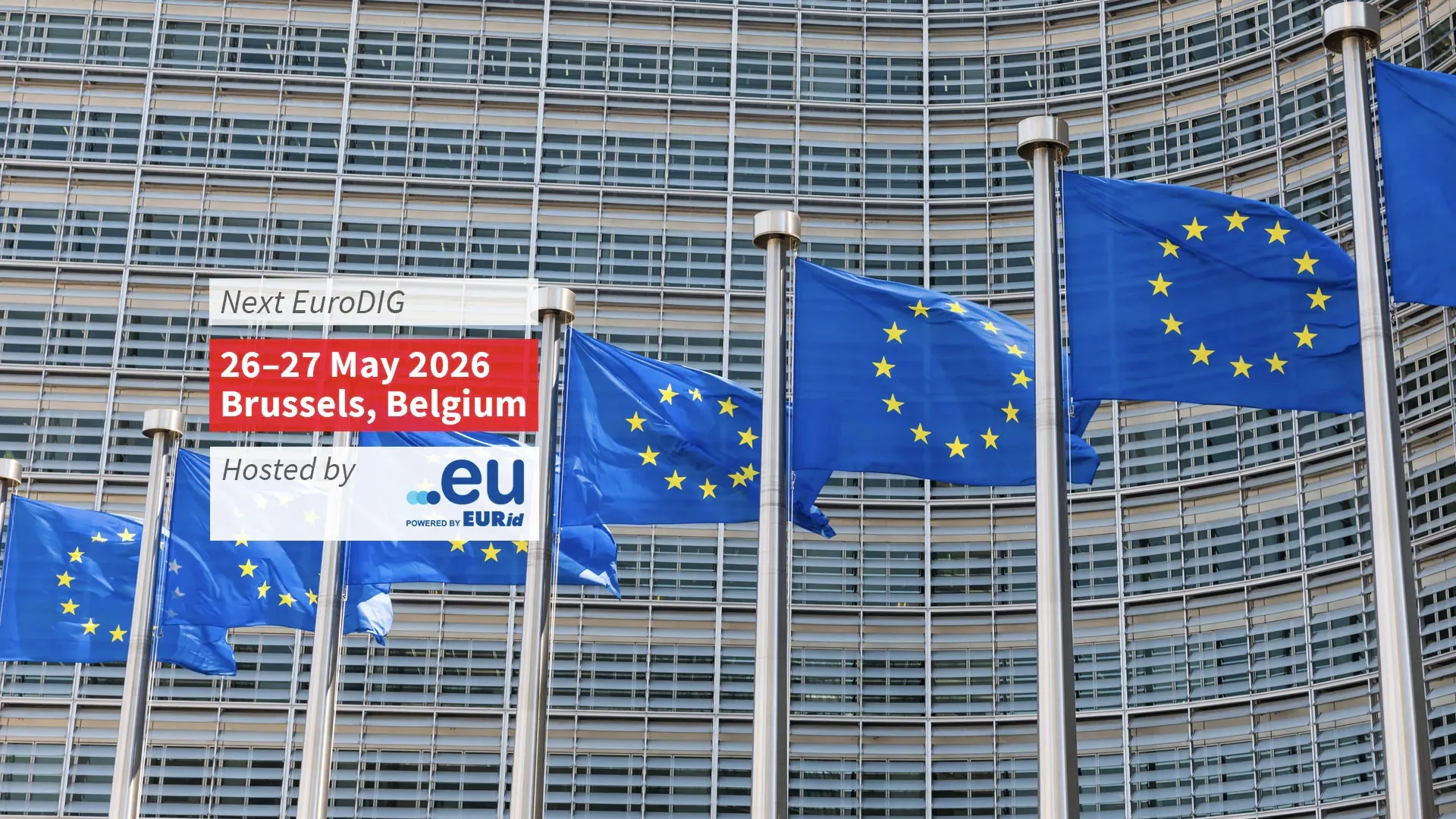
On April 7, 2006, the very first day of the European Union’s .eu domain launch, more than one million domain names were registered. Today, the .eu domain celebrates its twentieth anniversary, marking two decades of growth and development.
As part of efforts to support linguistic diversity online, the EU introduced internationalized domain names (IDNs), launching the Cyrillic .ею in 2016 and the Greek .ευ in 2019. Despite these initiatives, the total number of registrations across all three domains exceeds 3.7 million, while only about 3,400 belong to the IDN variants .ею and .ευ. This represents just 0.1% of the EU’s overall domain portfolio. Globally, domains using national scripts account for only around 1.2% of all registrations, or approximately 4.4 million domains.
These figures reflect several persistent barriers to the full development of a multilingual Internet, including technical limitations, low user awareness, and insufficient market growth.
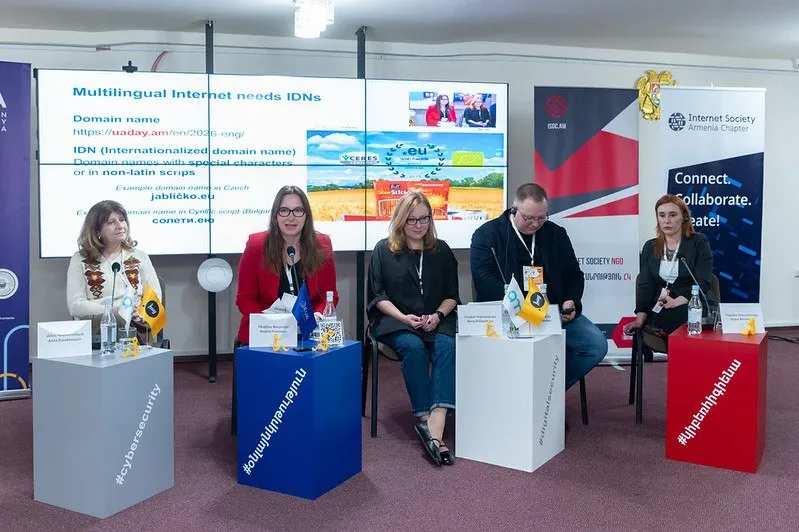
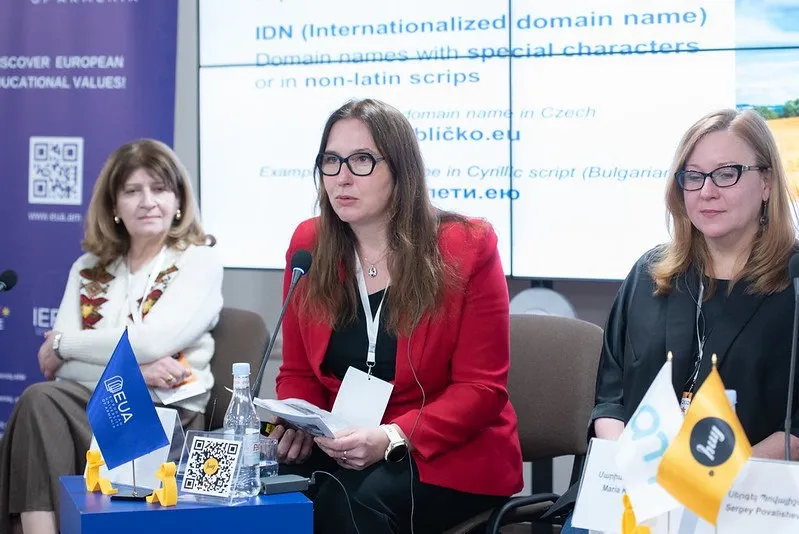
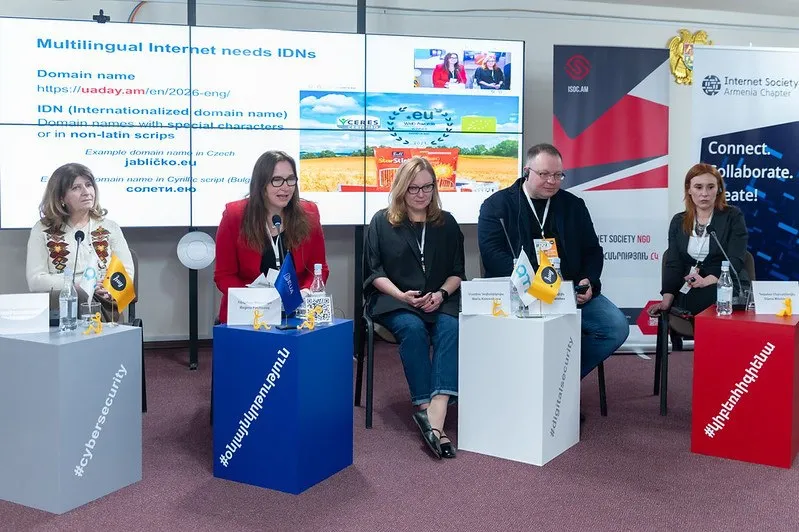
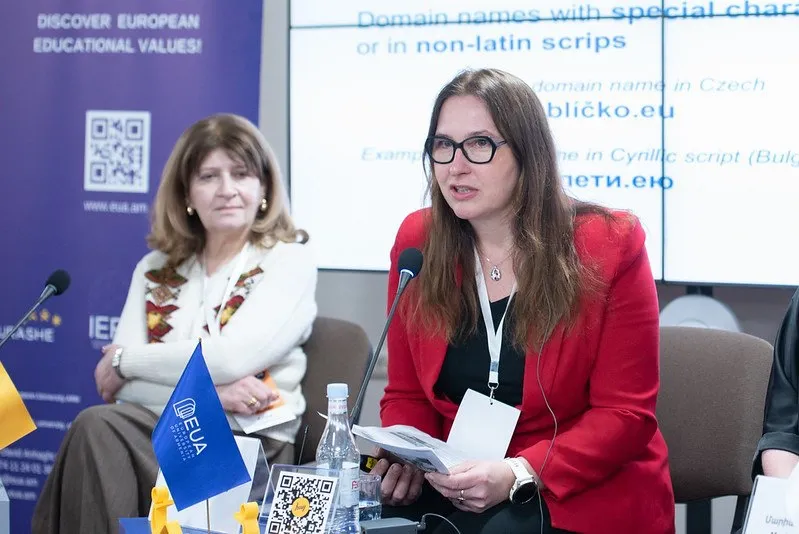
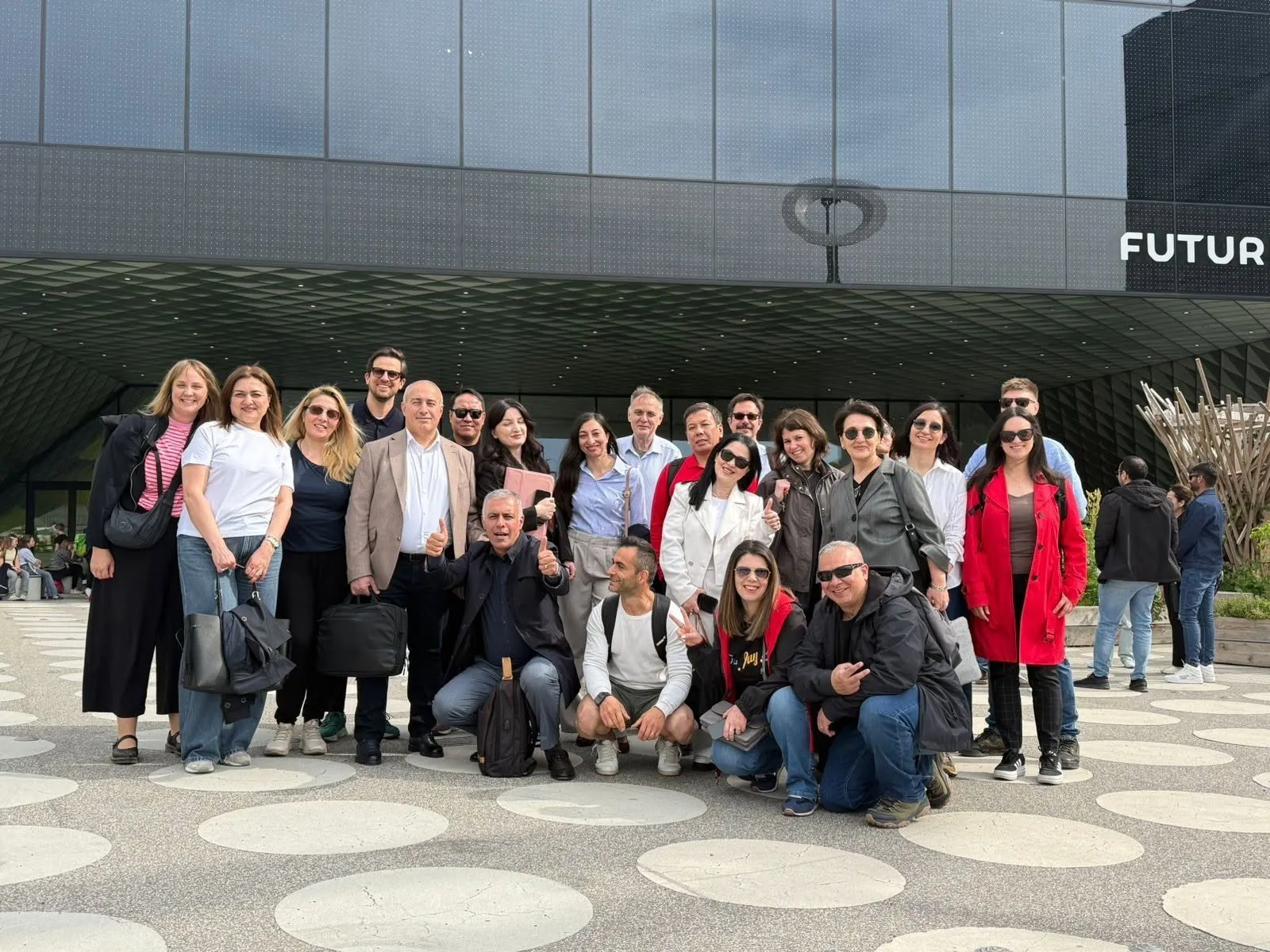
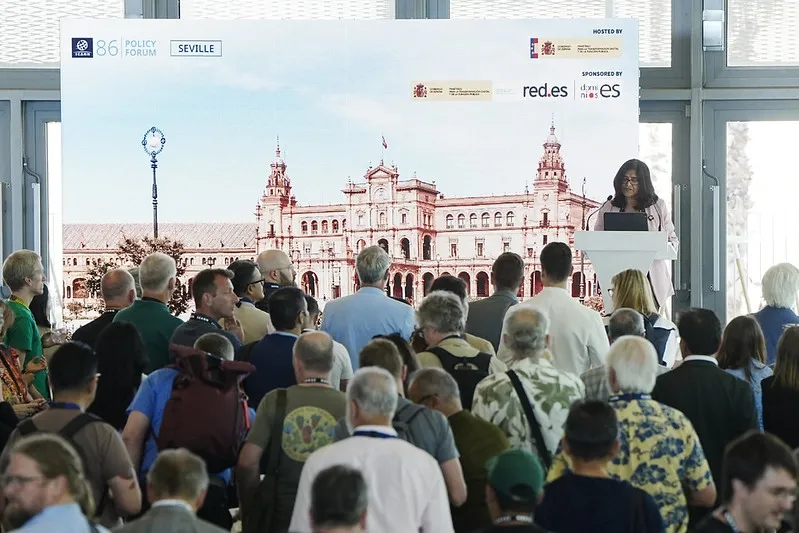
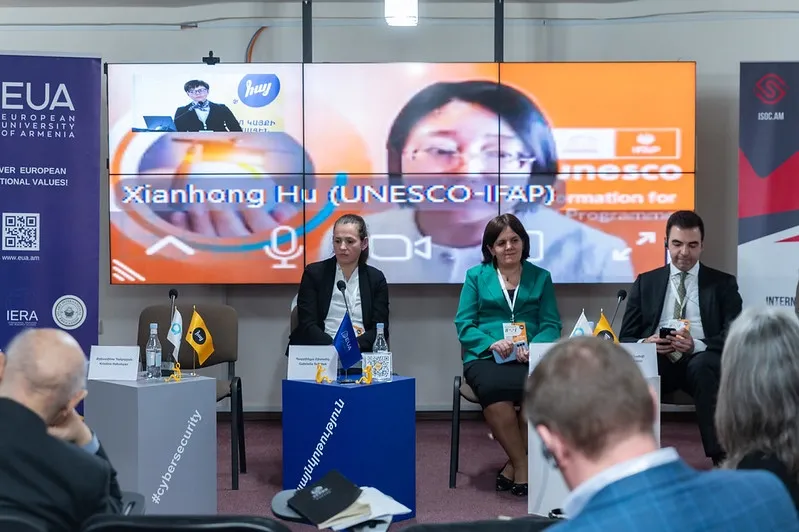
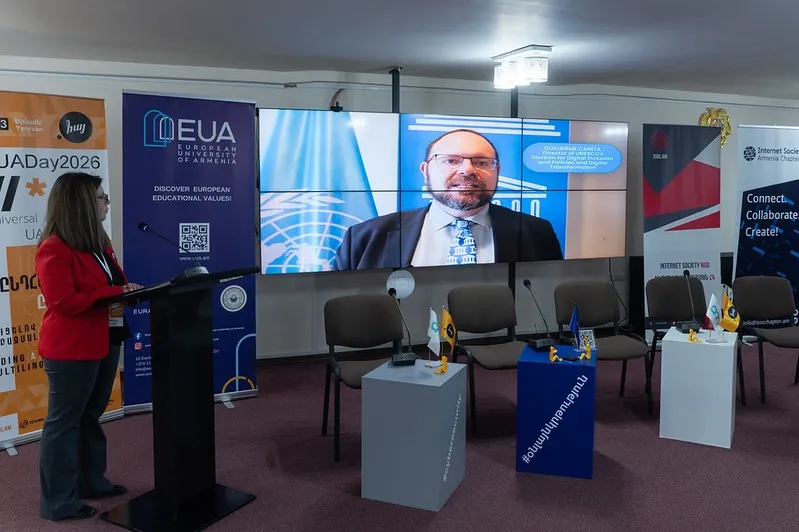
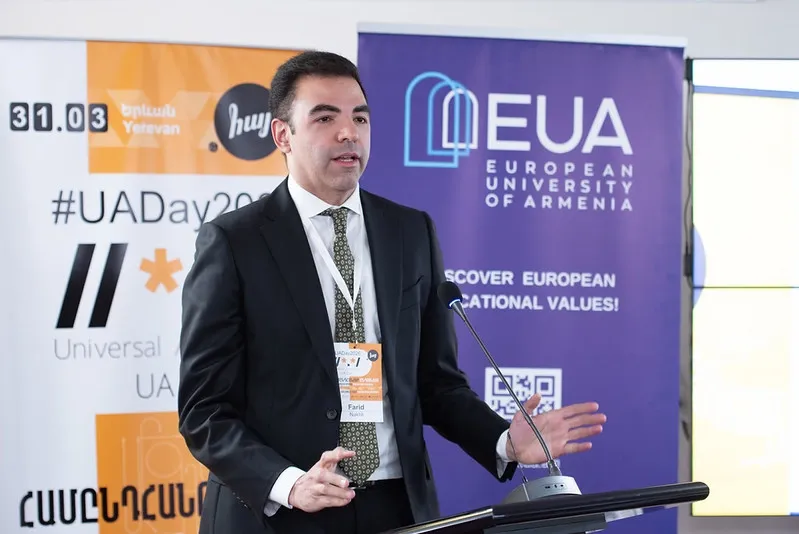
At a conference held in Yerevan recently within the framework of Universal Adoption Day, Regina Fuchsova, the Industry Relation Manager at the EURid registry, highlighted these issues. She emphasized that the full potential of non-Latin-script domains can only be realized when all systems fully support them, making universal acceptance a reality.
“Otherwise,” she noted, “having a domain that cannot be used in email or applications is like owning a high-speed car in a place without proper roads.”
According to Fuchsova, achieving a truly multilingual Internet requires strong collaboration among governments, international organizations, technical and academic communities, as well as both the public and private sectors.