Universal Acceptance (UA) and the development of the multilingual Internet may soon become part of the global digital development policy of the International Telecommunication Union. For this to happen, UA must be officially recognized as a priority area by ITU member states.
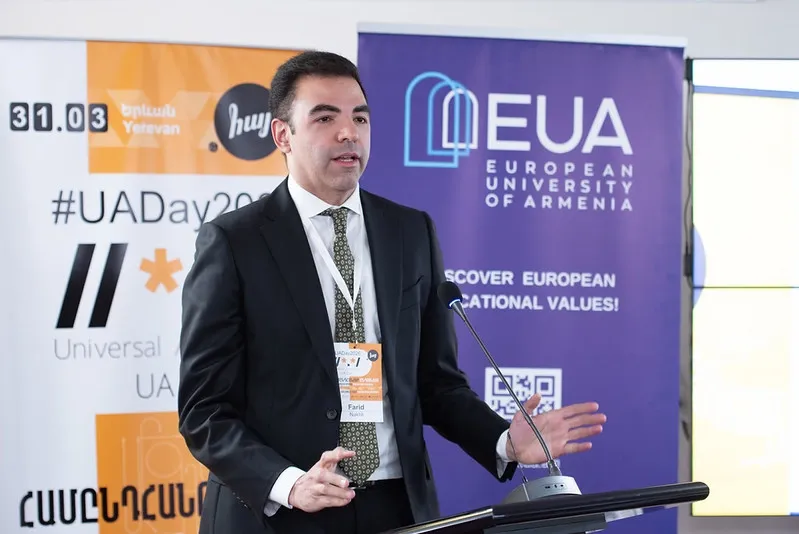
This was announced by Farid Nakhli, Programs Coordinator of the ITU Regional Office for CIS, during the UADay2026 regional conference held in Yerevan.
According to him, new technological and policy directions within the ITU are first discussed and agreed upon at the level of member states, after which relevant international mechanisms, indicators, and programs are developed.
“The same process is now needed for the formation of global regulations on Universal Acceptance (UA) and Artificial Intelligence (AI), so that digitalization becomes more effective and inclusive,” Farid Nakhli noted.
He emphasized that the ITU considers the Internet not only as infrastructure, but also as an environment for educational, business, and social opportunities, from which everyone should be able to benefit fully, regardless of linguistic or cultural background.
“Although issues related to universal regulations for UA and AI are widely discussed, there is still no unified international agreement. Therefore, at this stage, the ITU presents the approaches of different countries, including the experiences of the European Union, the United States, China, and other states,” he said.
Referring to Armenia’s experience, Farid Nakhli stated that Armenia is one of the leading countries in the region in terms of digitalizing national languages and ensuring their equal representation on the Internet.
“By applying Universal Acceptance indicators, we can transform the Internet from merely a space for entertainment into an environment that provides real educational, economic, and social opportunities for people. And this is impossible without inclusiveness and the full representation of all languages online,” the ITU representative emphasized.
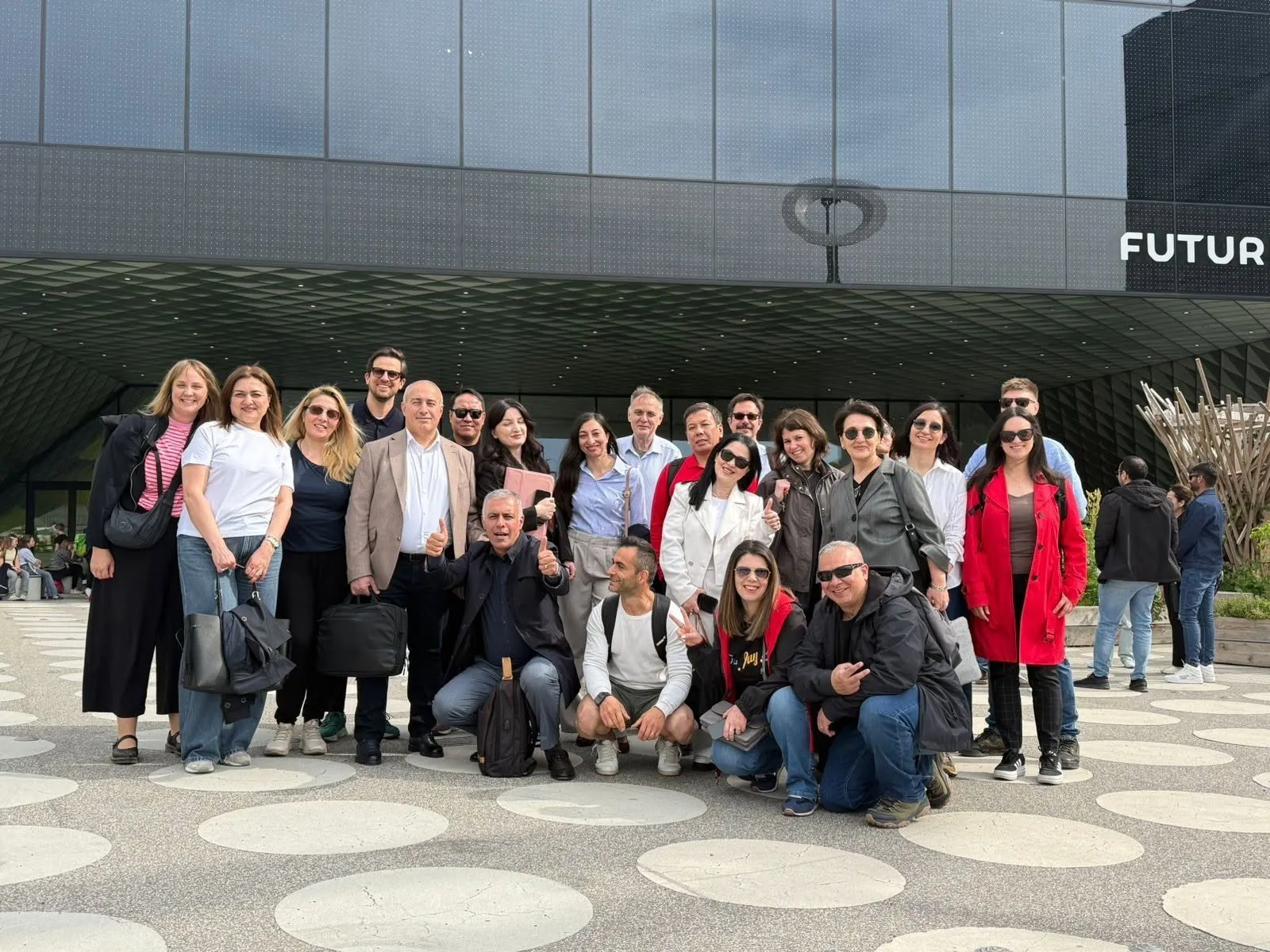
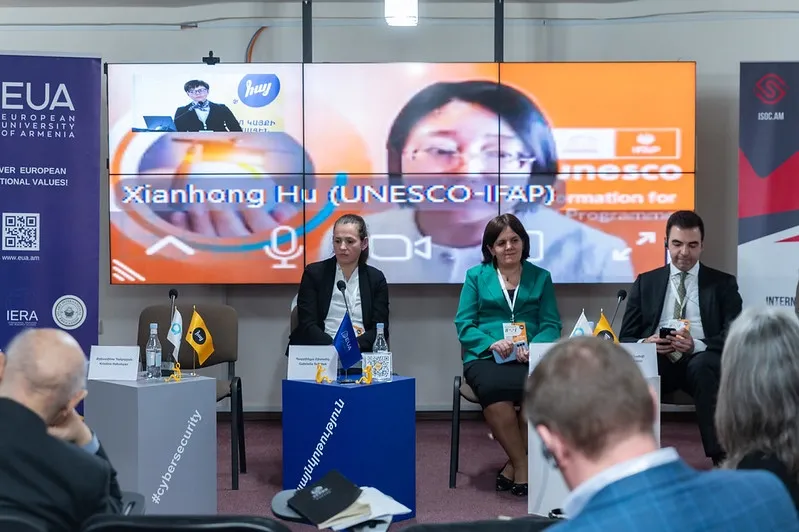
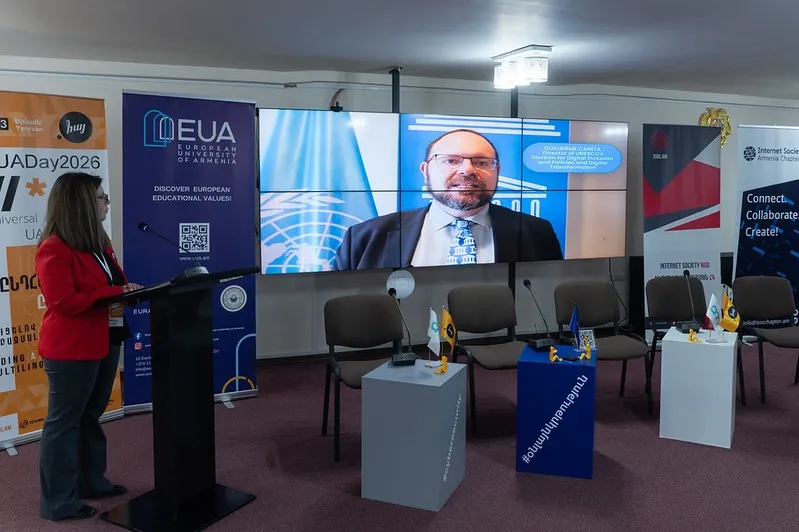
The UADay2026 regional conference held in Yerevan brought together representatives of international organizations, technical and academic communities, public and private sectors, as well as organizations managing the domain name system. The main topics of discussion included internationalized domain names (IDNs), email addresses in national alphabets (EAI), and the development of the multilingual Internet.