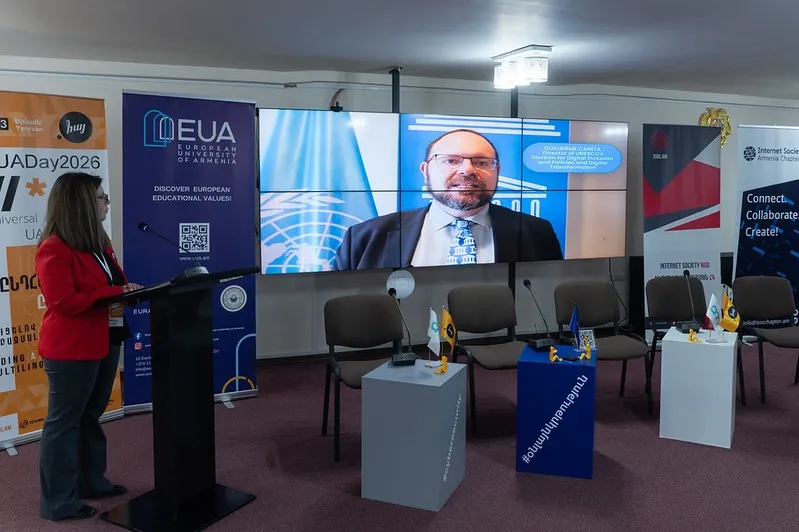
With the rapid evolution of the IT sector – especially in the field of artificial intelligence – language preservation and development are no longer viewed solely as matters of cultural heritage.Today they are closely tied to digital rights and technological equity. The long-term vitality of any language increasingly depends on its ability to function and thrive in the digital environment.
There are 8,324 languages spoken worldwide, yet only around 150 – 300 independent writing systems are currently in use. This data is documented in the World Atlas of Language Structures. The disparity highlights a broader issue: linguistic diversity is far from equally represented in the digital space.
For decades the internet evolved primarily around the Latin alphabet and the English language. Even today, roughly 25% of online content is in English, although only about 5% of the world’s population speaks it as a native language. As a result, language barriers remain one of the least discussed – yet most significant – obstacles to meaningful internet access. Overcoming this challenge is the mission of the global Universal Acceptance (UA) movement, which engages nearly 200 countries.
Initiated by the Internet Corporation for Assigned Names and Numbers (ICANN), Universal Acceptance seeks to ensure that all valid domain names and email addresses regardless of the script or length are recognized and function seamlessly across all digital systems and applications.
A key instrument of linguistic inclusion online is Internationalized Domain Names (IDNs), which allow website addresses to be registered in non-Latin scripts. Today, 160 countries have adopted national-script IDNs, strengthening the digital presence of their languages.
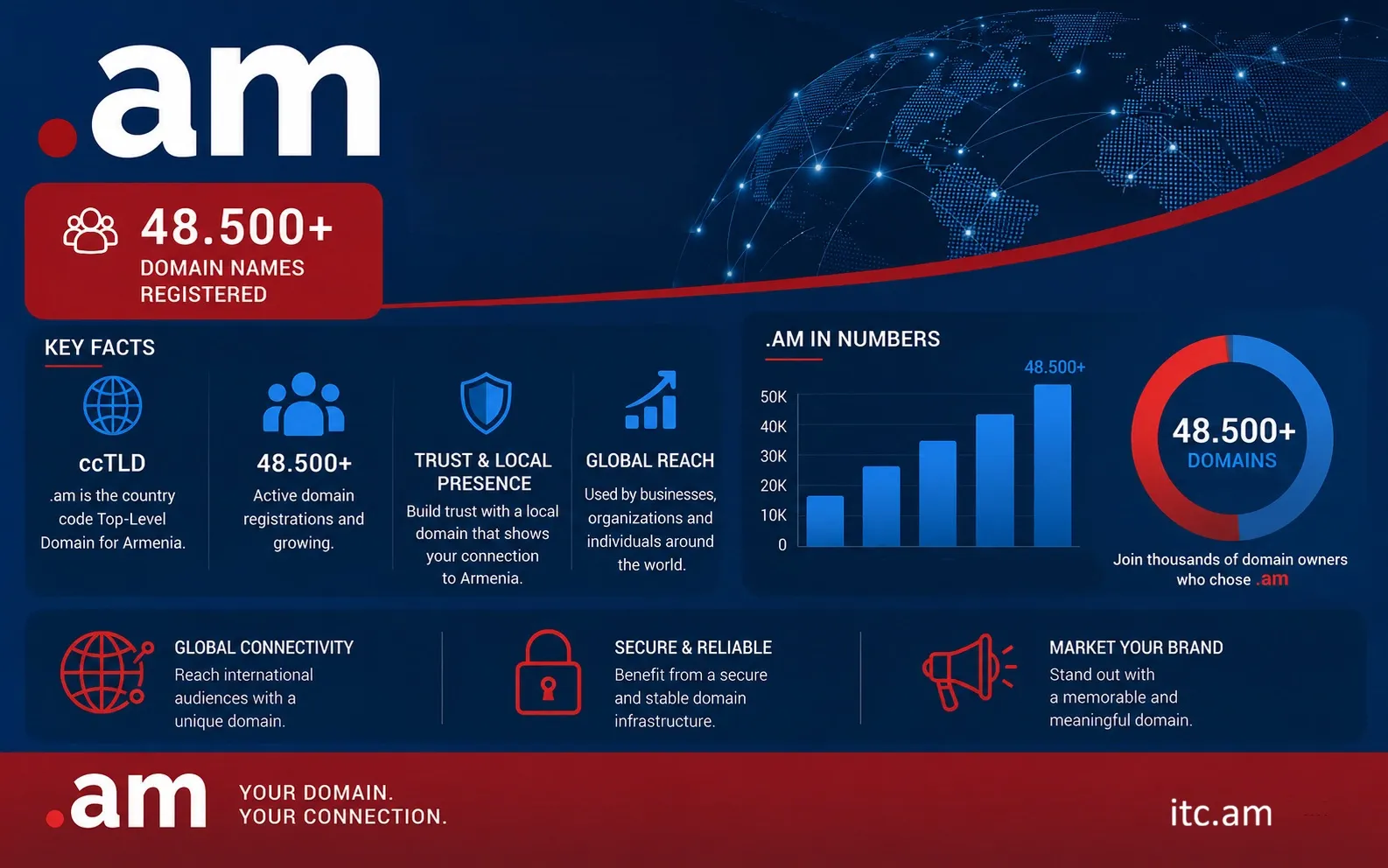
The Armenian-script domain .հայ has been operational for more than a decade and complies with Universal Acceptance technical standards. These requirements have been implemented by the “Internet Society” NGO, the registry manager for .am and .հայ domains. As one of the early supporters of the Universal Acceptance movement, the organization continues to expand .հայ domain space, which currently includes around 850 registered names.
Globally, approximately 85% of countries and about 40% of generic top-level domains (gTLDs) now support IDNs. Despite this considerable progress, many systems, applications and email services still lack full support for Internationalized Email Addresses (EAI), limiting true linguistic equality online.