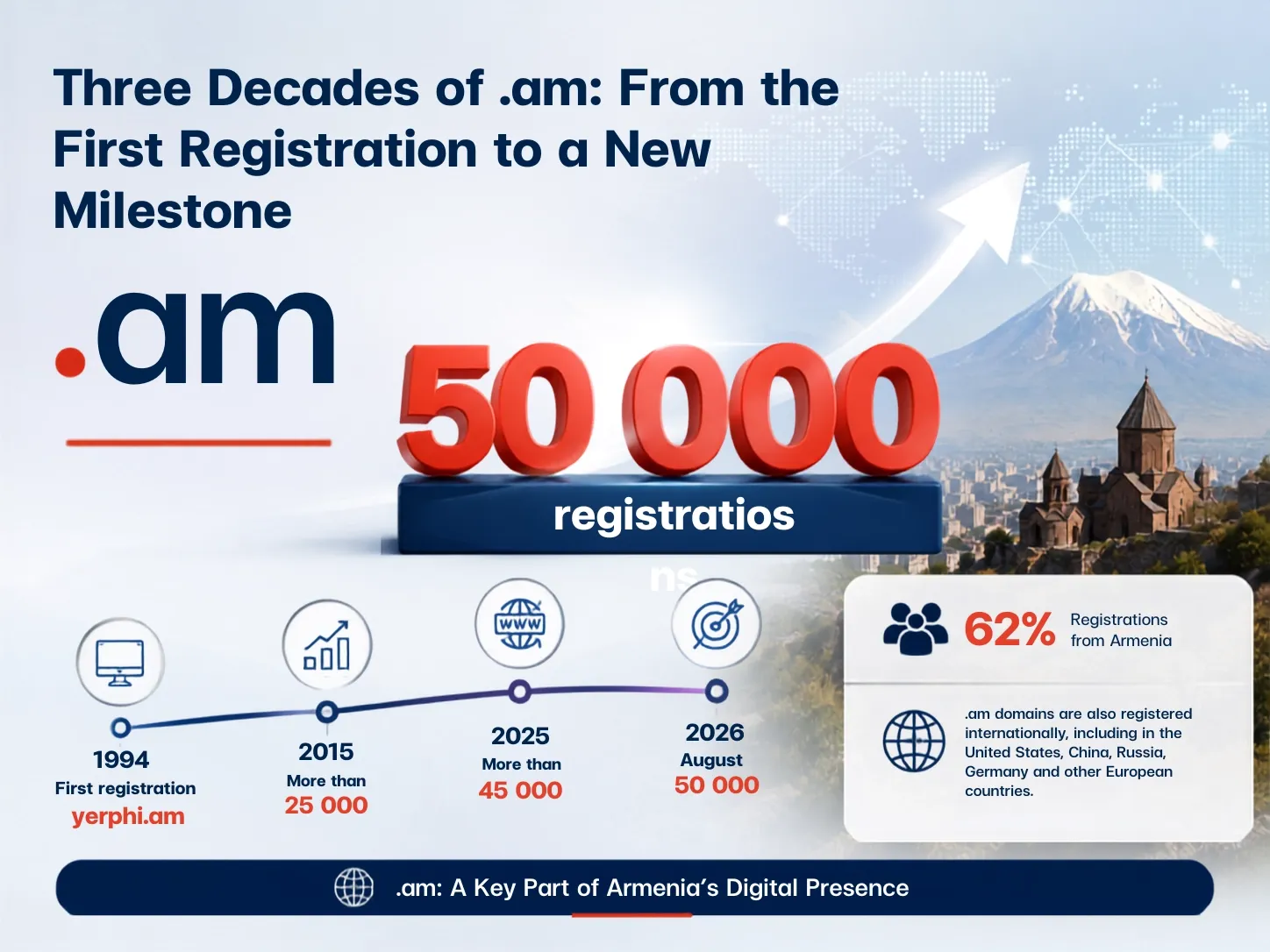
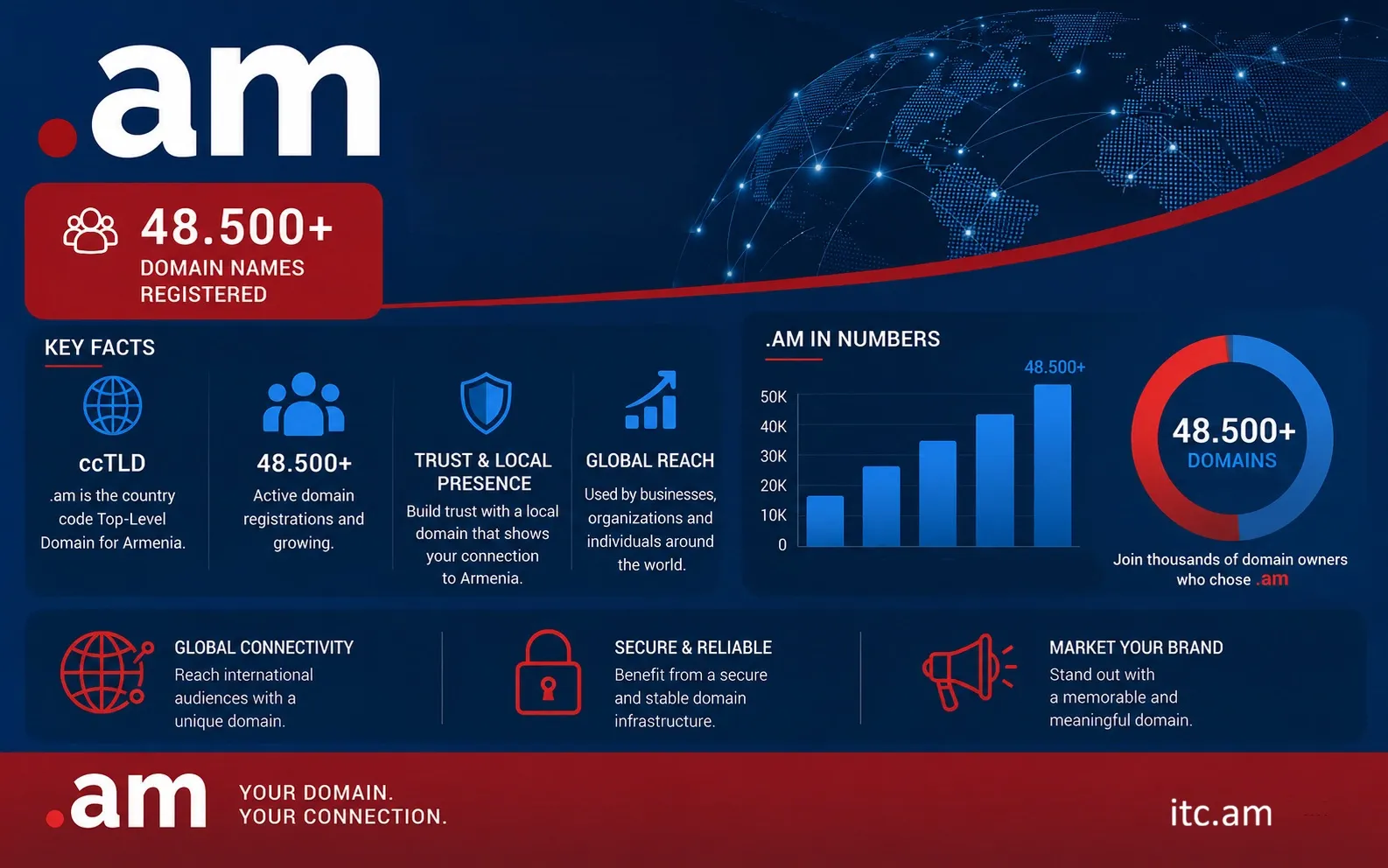
In the early 1990s one of the most difficult and uncertain periods for Armenia – the country’s identifying domain name, .am was launched on the internet. There were virtually no resources for technological development, yet there was something even more essential: a clear awareness of the importance of having a national domain and of embracing the Internet. That awareness brought together a group of dedicated enthusiasts who founded the Internet Society NGO, taking on the responsibility of operating the .am domain.
From that moment on, for 31 years now, the organization has ensured the stable operation of the .am and .հայ domains, helping to strengthen and advance the foundations of Armenia’s digital sovereignty.
The following passage is drawn from the recollections of Albert Toneyan, a board member of the organization, featured in the film “Our Space on the Internet,” created for the 30th anniversary of .am domain, as well as in the accompanying magazine. These accounts reflect some of the most significant moments of the past three decades.
“It was an era of explosion. Before we could even grasp one new phenomenon, four more would emerge, and the knowledge we needed had to be updated every minute. It was crucial that people working in science joined this historic process for Armenia.
Forecasting – even from a business standpoint was only possible for very short timeframes. We needed someone who could anticipate and guide the future direction of this field amid constant, rapid change. In my view, Andranik played an absolutely unique-truly unique role in this respect.
I had interacted with many scientists and businesspeople, and it was evident to all that they themselves could not have done the work taking place here. They essentially let us ‘fry in our own oil,’ to do whatever we believed needed to be done.
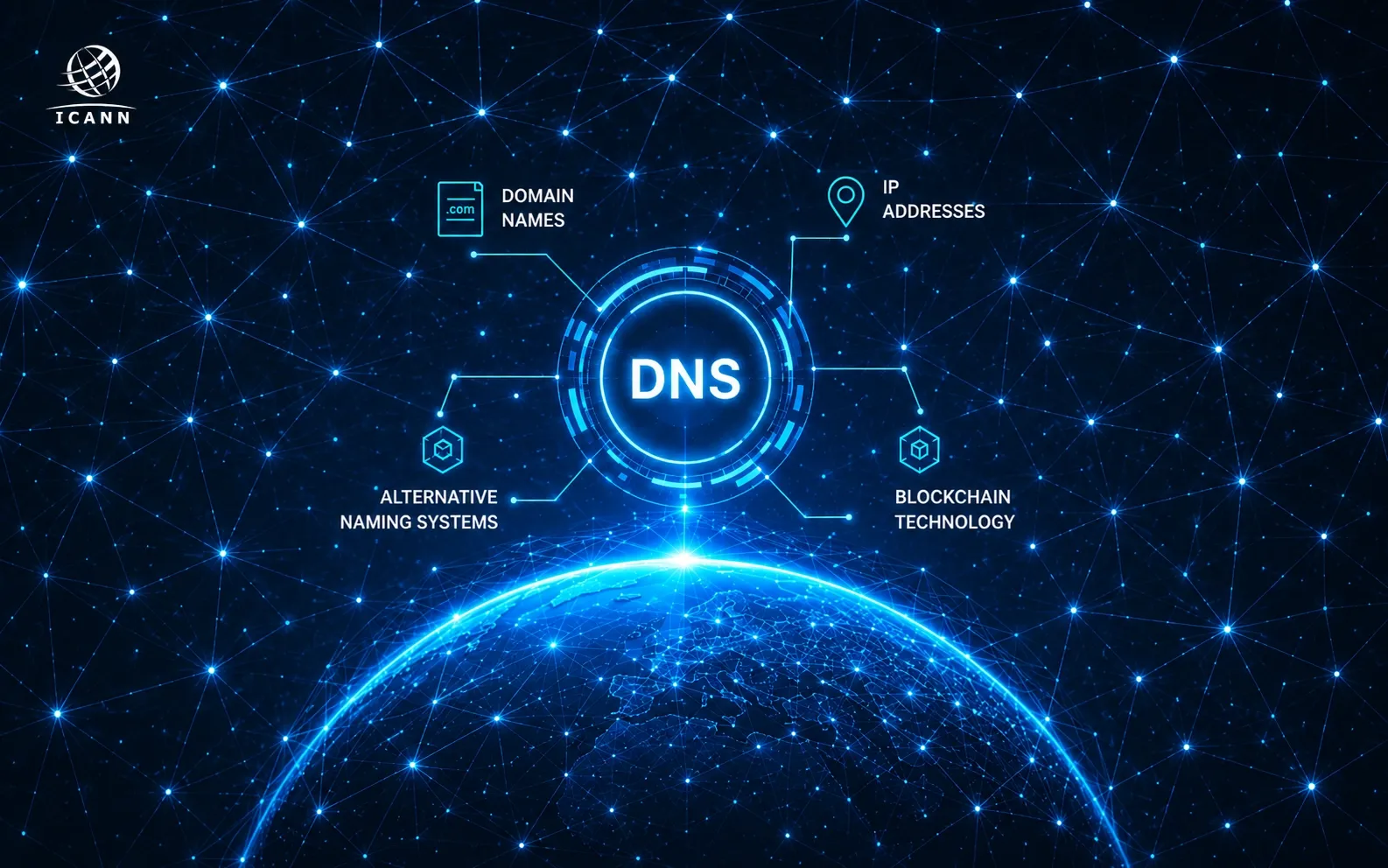
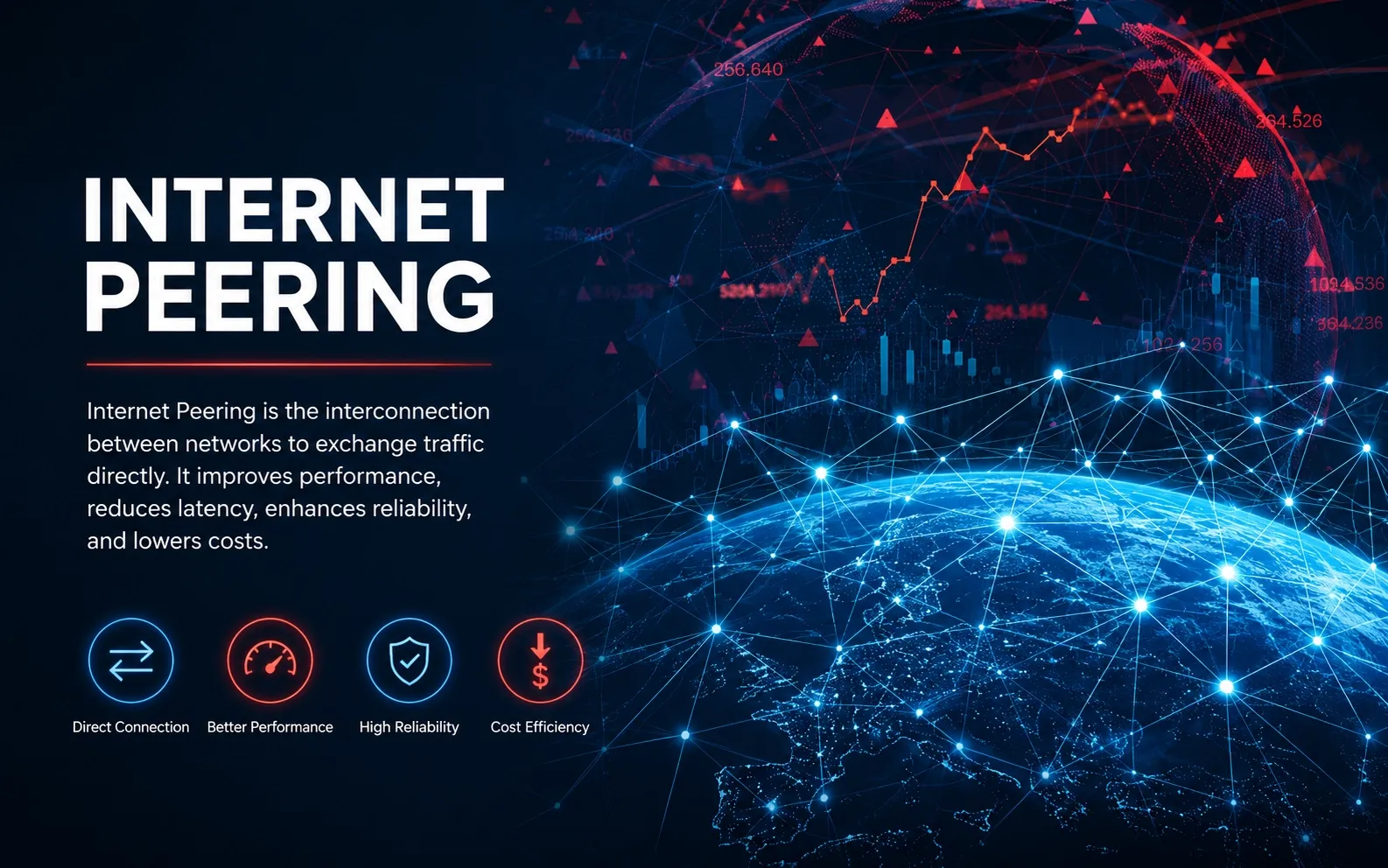
We were focused on two interconnected issues: the central management of the Internet and the management of .am domain. Beyond that, there were also the challenges of providing, distributing and pricing internet connectivity, along with the broader business considerations.
First, we needed to understand why we should not simply register our websites under existing domains like .com and call it a day – why it was necessary to have a national domain of our own. On that point, we were in complete agreement; we fully recognized its importance.
The other issue was why we needed to bring together people who were competitors, sit them at the same table, and encourage cooperation in order to solve the connectivity problem. In essence, we faced two tasks: first, generating resources-creating websites and databases under the Armenian domain; and second, delivering all of that to users through connectivity. The second task was the business component – we told ourselves that we would manage it, whatever the circumstances. As for the first-generating resources, building servers and websites-the existence and proper governance of the Armenian domain were essential.
We succeeded, perhaps also because fortune was on our side. There were countries where people could not sit together, reach understanding or organize and as a result their national domains ended up being managed by others.
Without scientific thinking, the work would hardly have been possible. Only through the combination of scientific intellect and entrepreneurial effort was the emerging internet system shaped, the network deployed and a new era in telecommunications launched.”
To read more about how the Internet started in Armenia and what the organization has done, see the publication “In the Dark and Hopeless Years: A Struggle for the Future.”