People perform faster and more efficiently in digital environments when using their native language than even in a foreign language they know well. This finding is highlighted in the “Microsoft New Future of Work 2025” report, published by Microsoft’s research center and focused on the future of the labor market.
The report notes that when users engage with digital services in their own language, they become more than just information consumers-they also become content creators and active participants in the digital economy. This not only drives economic growth but also broadens people’s engagement with online services.
Recent data indicate that roughly 75% of the world’s population uses the internet, yet for most users (60%), English is the predominant language of the web is not their native tongue. The study highlights that language barriers can increase transaction costs, reduce user trust and limit participation in digital environments.
The report further emphasizes the role of multilingual technological solutions, including AI-powered language tools. These tools simplify translation, content creation, customer support and cross-border communication, ultimately reducing business costs.
Experts stress that a multilingual digital environment is particularly important for small language communities. It enables people working in different languages to more easily participate in the global labor market and allows businesses in developing economies to expand rapidly into international markets.
Specialists argue that, at the current stage of digital economy development, language is not only a marker of cultural identity but also a crucial driver of economic activity. Developing a multilingual internet is therefore seen as essential for building a more inclusive and equitable digital economy.
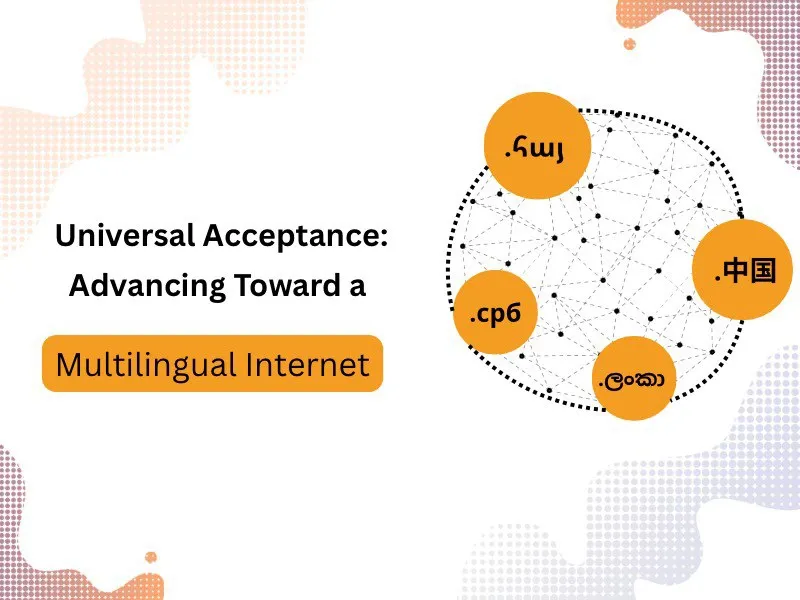
It is no coincidence that the Universal Acceptance global initiative has been active for over a decade to address language-related challenges online. Launched and promoted by the Internet Corporation for Assigned Names and Numbers (ICANN), the initiative aims to ensure that all valid domain names and email addresses regardless of the script used are fully recognized and functional across all systems and applications.