As part of its broader goal of promoting linguistic diversity on the Internet and ensuring equal opportunities for the use of all writing systems, the Internet Corporation for Assigned Names and Numbers (ICANN) has opened a public comment period on proposals concerning the use of diacritical marks in the Latin script. These proposals could make it possible to register and operate both standard Latin-script and diacritic-containing versions of domain names within the same domain zone.
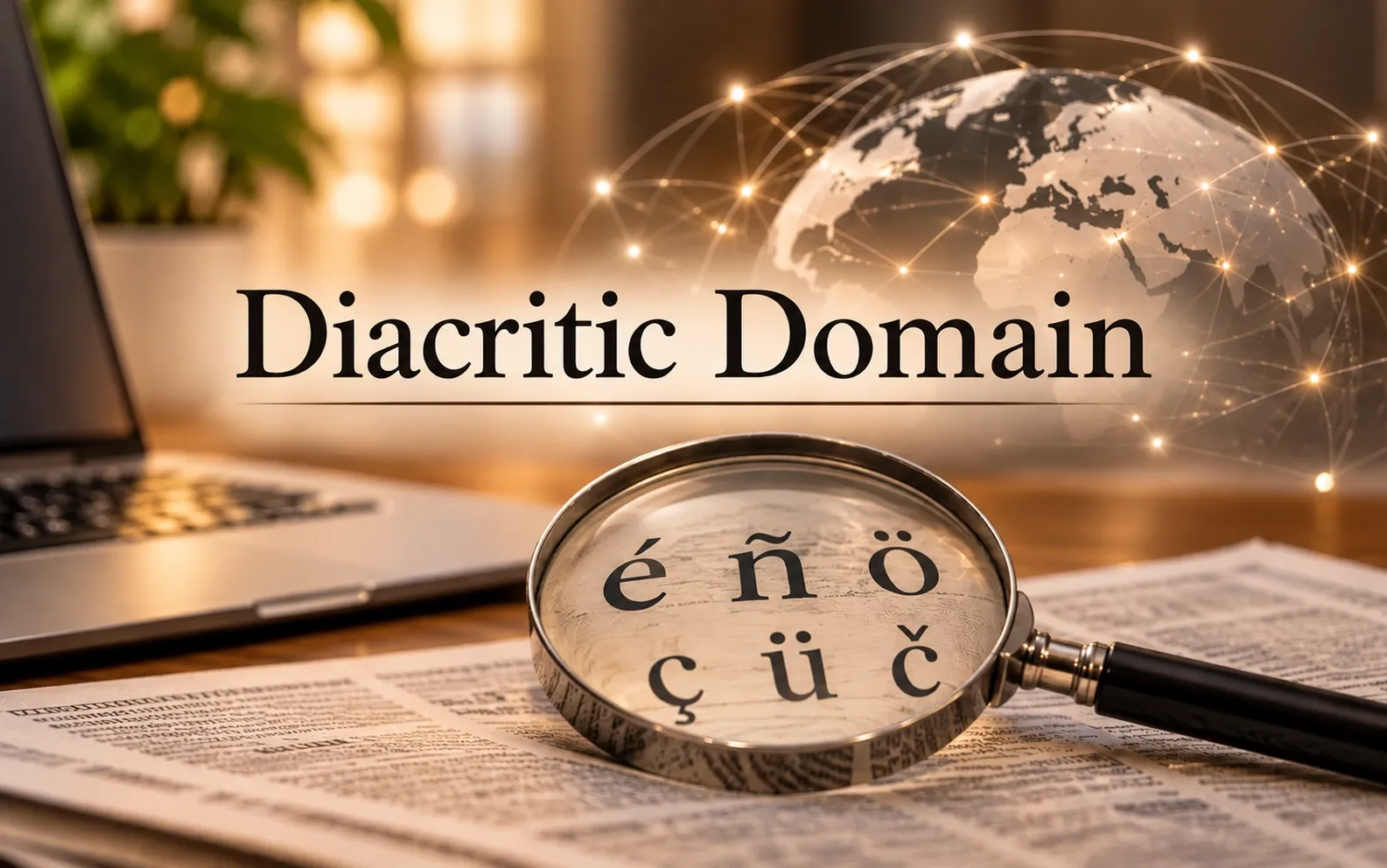
Diacritical marks are special symbols added to letters and used in various languages. Examples include é, è, and ç in French; ö and ü in German; ñ in Spanish; and č and š in Czech. These marks are an integral part of written language systems and play an important role in the accurate representation of words and names.
Under the current rules, domain names that are visually too similar may be restricted to prevent user confusion and potential abuse. ICANN’s new proposals establish clear conditions under which versions of the same domain name, both with and without diacritical marks, could be used. One of the key requirements is that both versions must be managed by the same registrar.
The proposals were developed by a working group of ICANN’s Generic Names Supporting Organization (GNSO). The final report includes 45 policy recommendations and 12 implementation guidelines. The GNSO Council has approved the package and submitted it to the ICANN Board for consideration.
The public comment period opened in November and will remain open until January 6, 2027. The timeline for final policy adoption and implementation has not yet been determined.
The use of diacritical marks will allow domain names in certain languages to be represented more accurately, without simplifying or omitting letters. It will also contribute to maintaining the security and stability of the Domain Name System (DNS) while helping prevent confusion caused by similar-looking domain names.