Artificial intelligence has only recently become widely accessible, yet it has quickly permeated nearly every sphere of modern life. Alongside its many advantages, it has also raised important questions -particularly regarding the reliability of AI tools in healthcare.
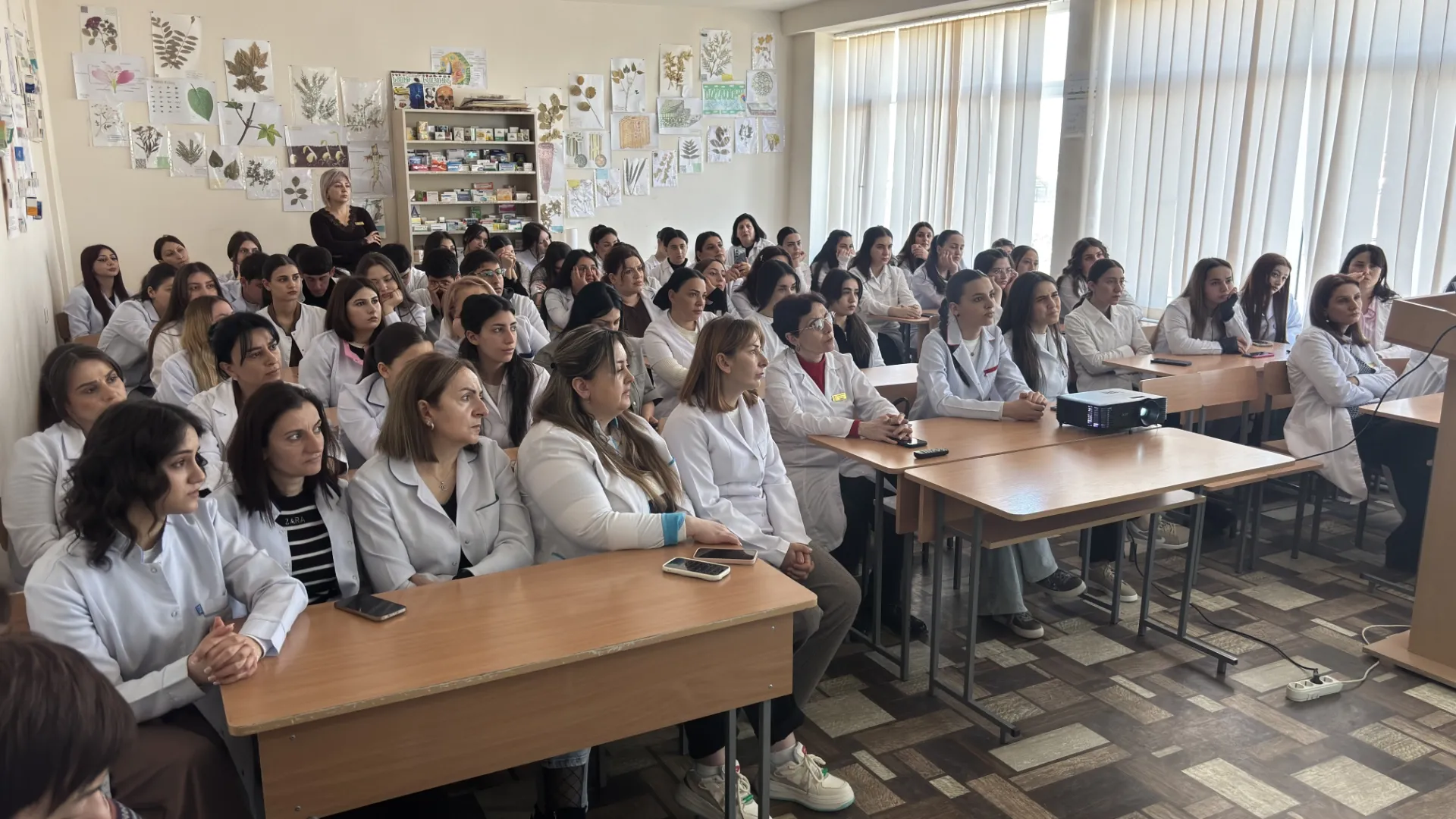
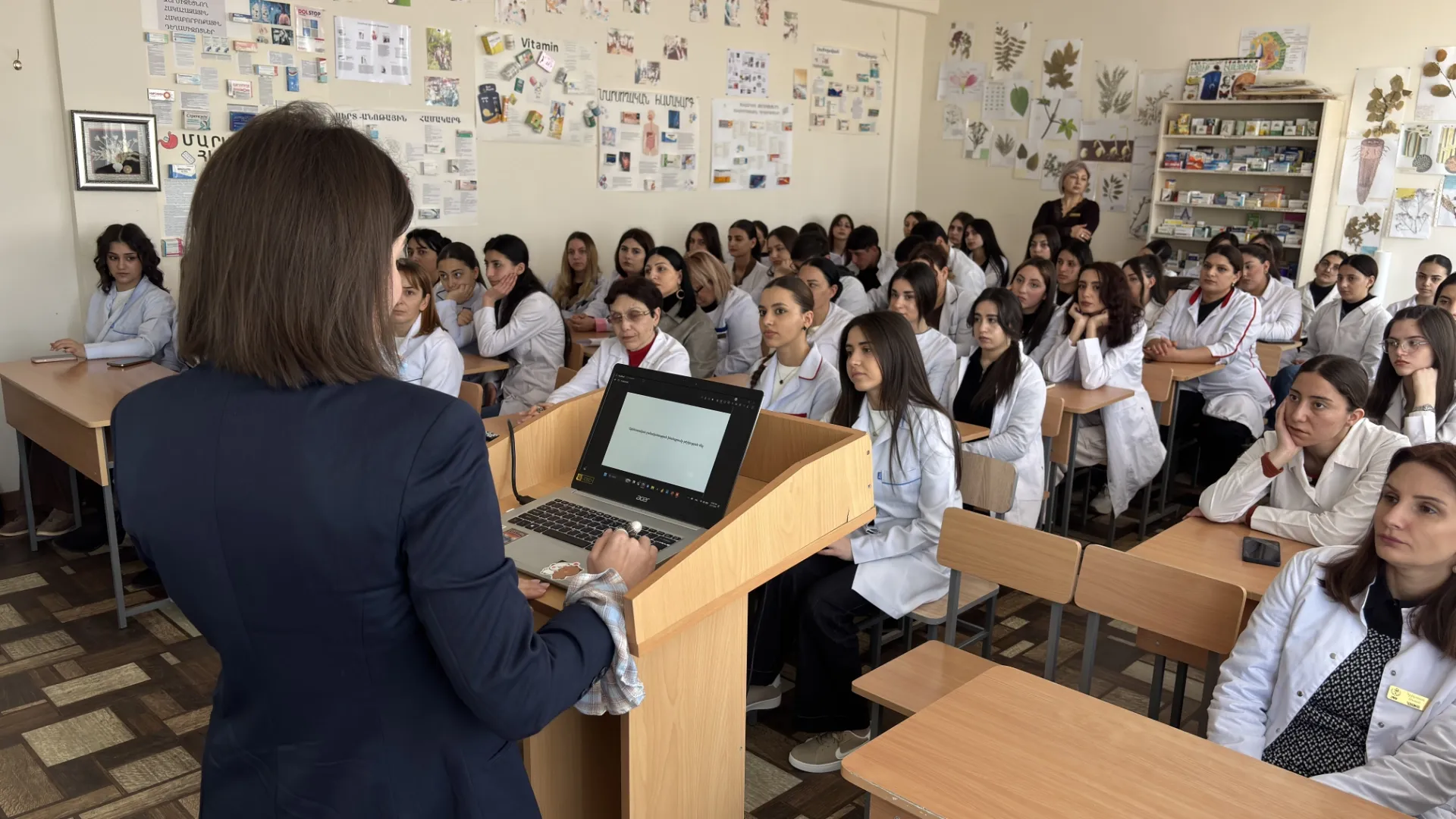
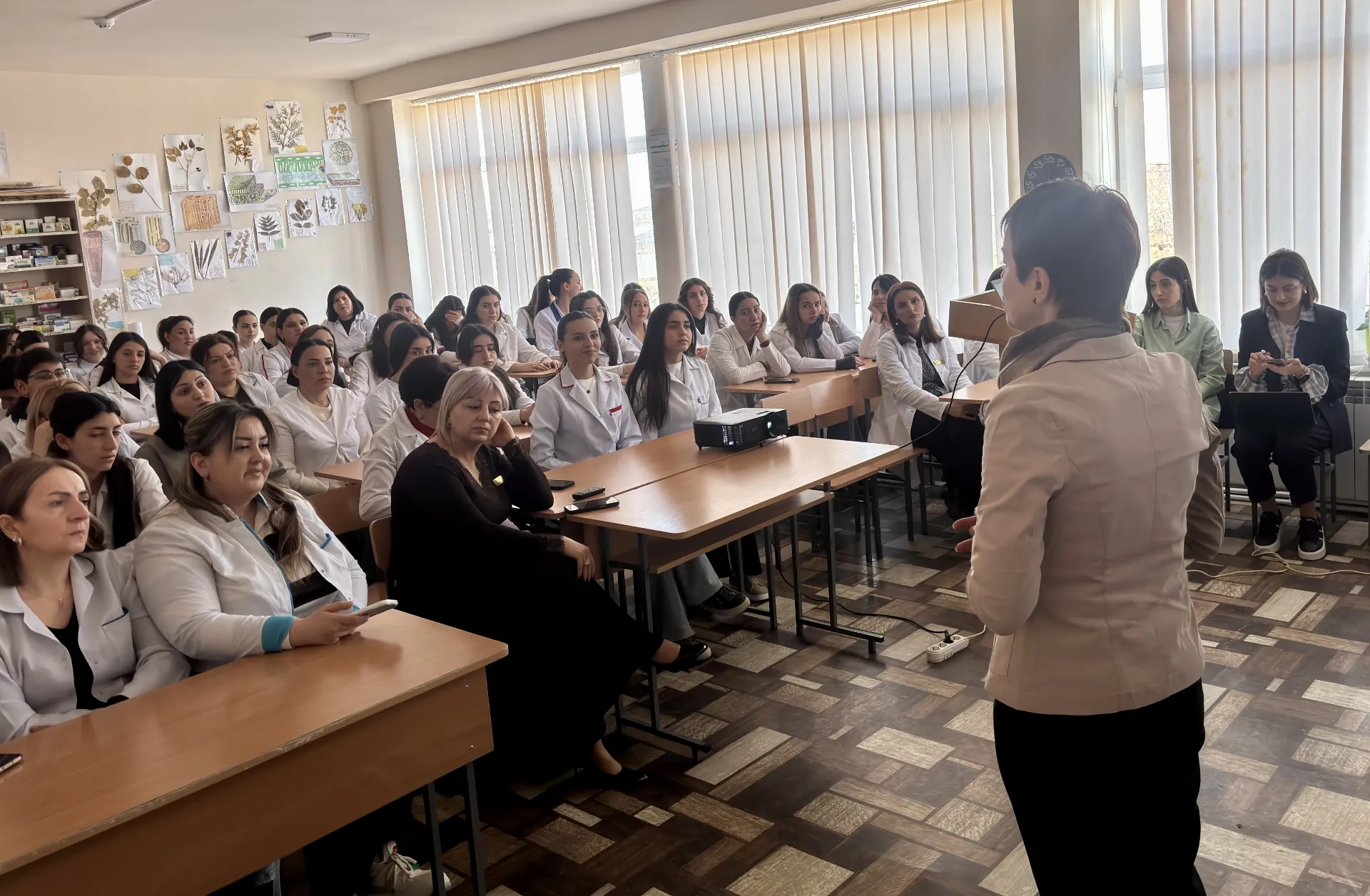
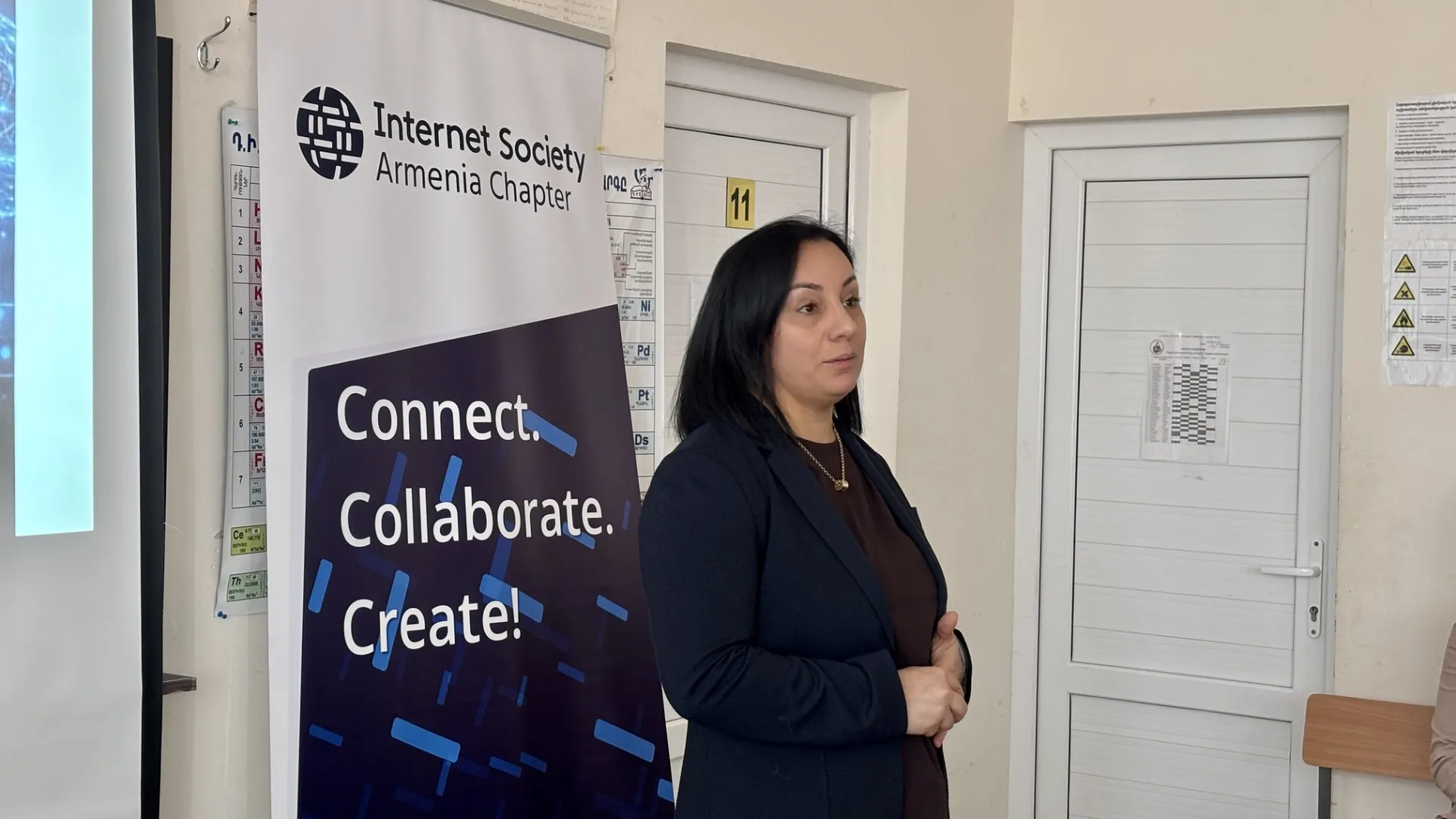
These issues were addressed during a masterclass titled “Artificial Intelligence in Medicine,” held at Ararat State Medical College and organized by the Internet Society NGO and Internet Society Armenia Chapter PO.
In their opening remarks, Board Vice Chair of the Internet Society NGO Kristina Hakobyan and Board Chair of the Internet Society Armenia Chapter PO Vesmira Harutyunyan highlighted that the event aimed to introduce students to the application of modern technologies in healthcare, while also promoting digital literacy and encouraging the adoption of innovative solutions within professional communities.
AI is often described as a “second eye” for physicians, as it can support rapid data analysis and assist in clinical decision-making. This perspective was shared by the keynote speaker, Dr. Sona Ayvazyan, a radiologist at Wigmore Women’s and Children’s Hospital.
Experts emphasize that only specialized AI solutions should be used in medical practice. These include tools such as Dr. CaBot, IDx-DR, and medical algorithms developed by Google DeepMind, all of which are designed to support diagnostics and clinical decision-making.
“Artificial intelligence lacks human emotion and cannot replace a doctor’s experience or intuition. It should be viewed as a supportive tool, while the final decision must always remain with the medical professional,” noted Dr. Ayvazyan.
Today, AI is already widely applied across several key areas of healthcare:
- Radiology: analyzing X-rays and other imaging studies, as well as enabling early tumor detection
- Dentistry: supporting automated implant measurements, orthodontic planning and cavity detection
- Nursing: assisting with patient monitoring, electronic health record management and the prevention of medication errors
At the same time, both healthcare professionals and patients must be mindful of potential risks when using AI tools, including:
- inaccurate or misinterpreted data analysis
- overreliance on technology
- the use of AI systems not specifically designed for medical purposes
Educational initiatives like this play a vital role in shaping future professionals. They not only familiarize students with cutting-edge technologies but also help cultivate a responsible, informed and ethical approach to their use.