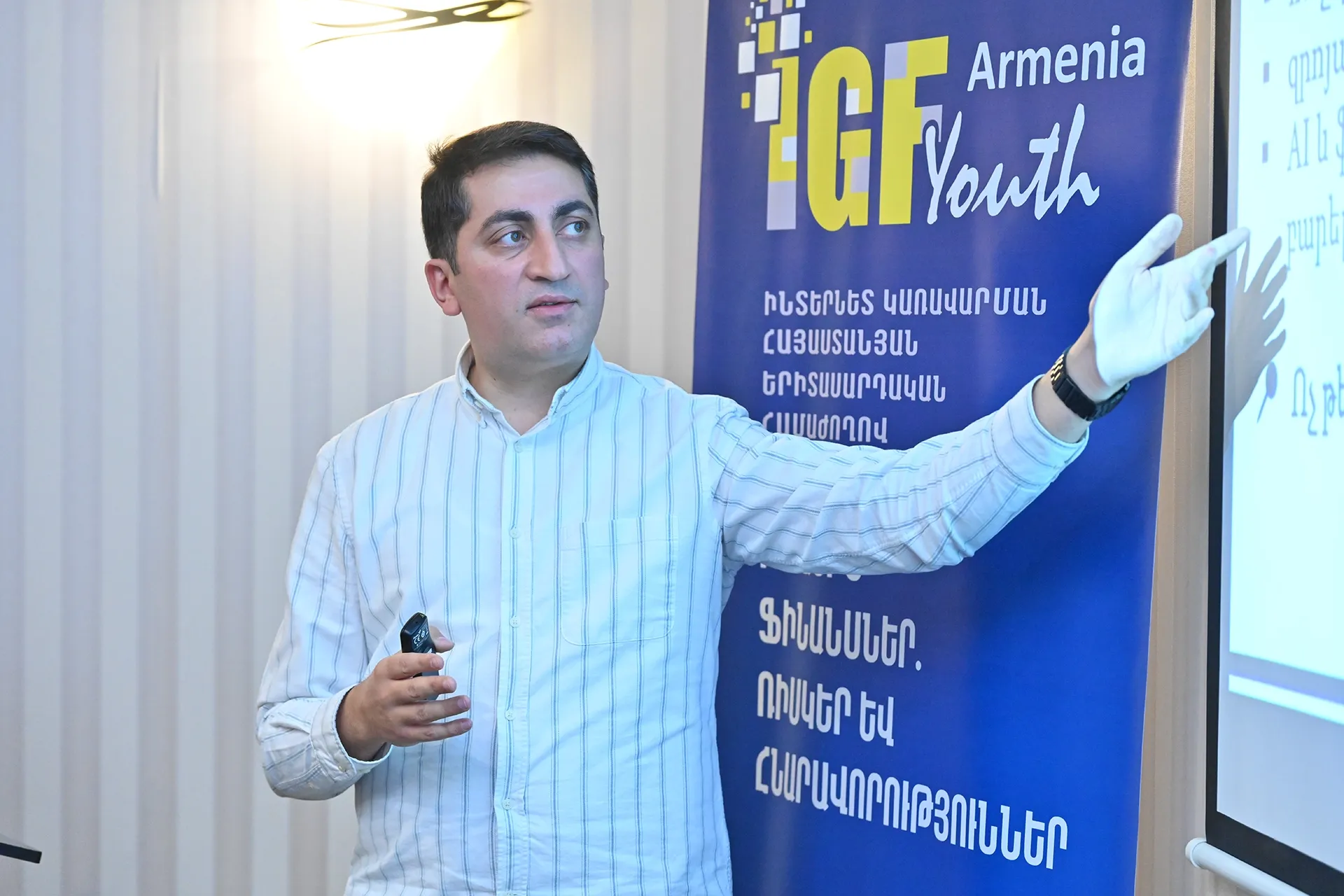
“In the early 1990s very few people in Armenia knew what the internet was. There was only email and even that was offline. You connected to a mail server on your computer, which then used a modem to connect to Russia, and from there to the rest of the world. All of this happened through Arminco,” recalls Kolya Hovhannisyan, a member of the Internet Society NGO.
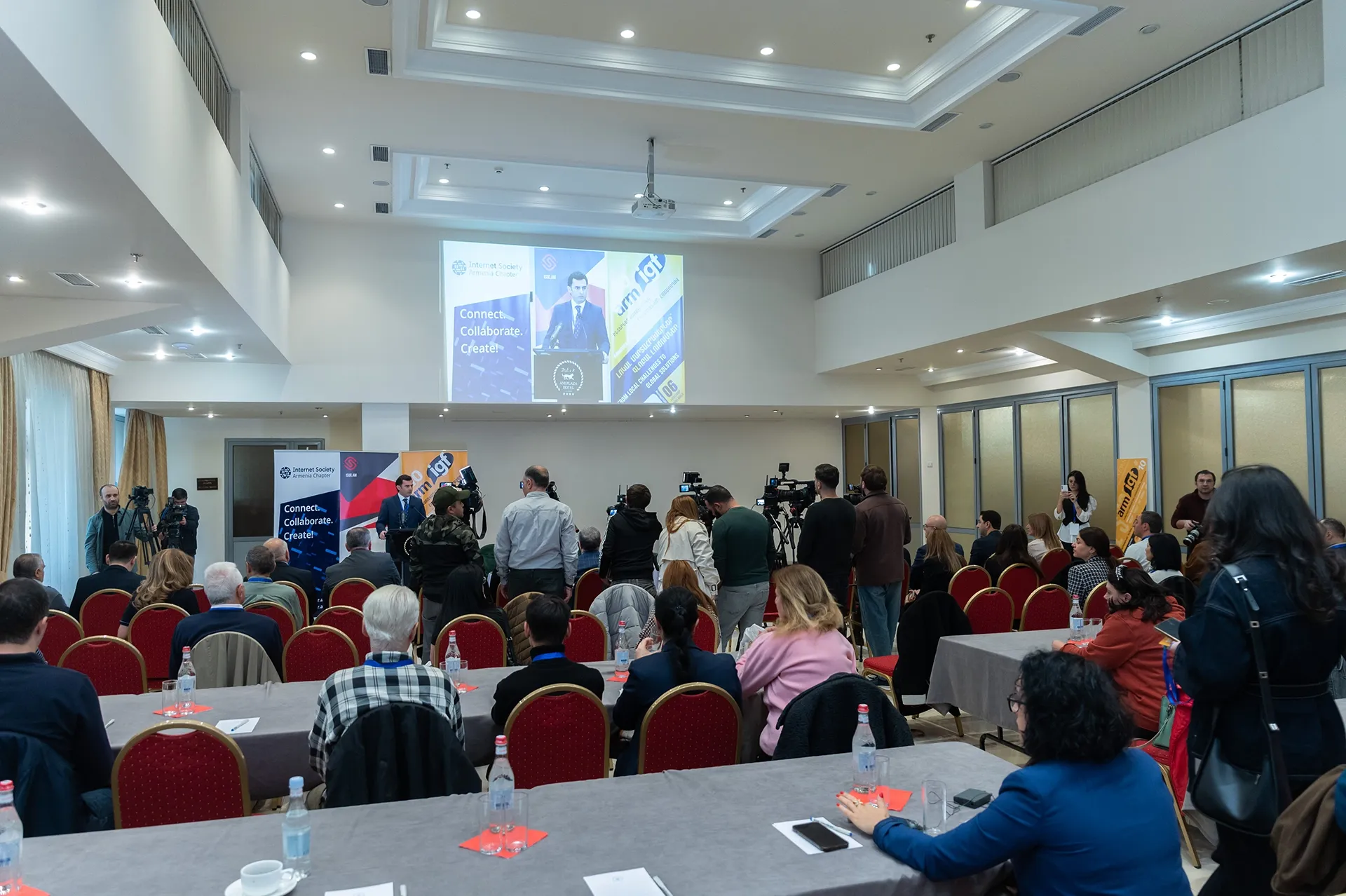
Modern forms of internet connectivity have been available in Armenia for more than 32 years. The key milestones of that formative period along with the history of the development of .am domain zone are presented by the Internet Society NGO – the organization managing the domain in the documentary film “Our Internet Space” and the magazine of the same name, published to mark its 30th anniversary. Kolya Hovhannisyan – member of the organization’s founding board, reflects on those years:
“The Yerevan Physics Institute, where I worked as a senior specialist at the computing center, decided – through the Hayastan All Armenian Fund to acquire a satellite communication station. That station would later become the gateway through which online internet entered Armenia. This took place in 1994 although the process had begun in 1993 with discussions and planning.
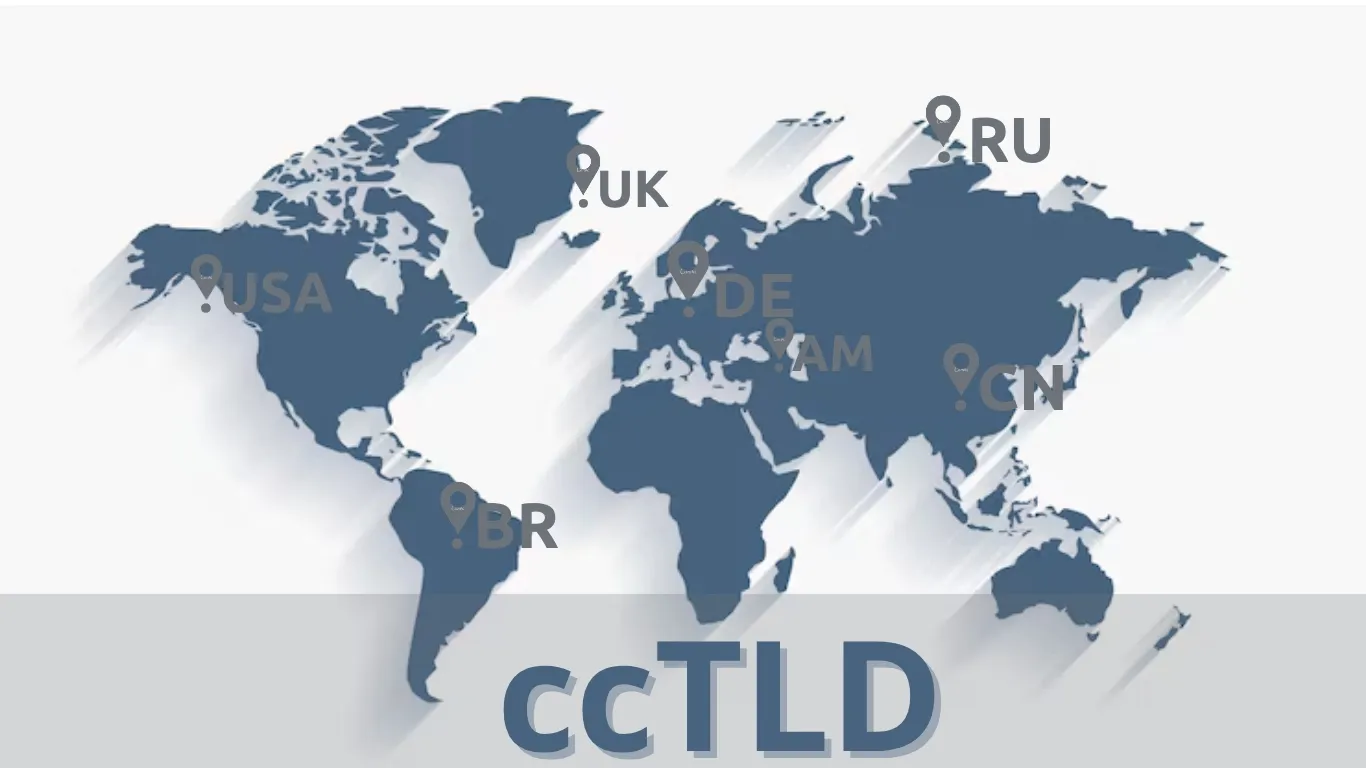
At the same time the idea of creating a national domain was taking shape. The current president of our organization Igor Mkrtumyan, who at the time worked at the American University of Armenia, traveled to the United States and learned what was required. We then came together and decided to obtain the right to manage the Armenian .am domain. Initially, the domain was hosted in Russia, at the Dubna Institute of Physics, because Armenia lacked both the necessary servers and online internet infrastructure. Only later did Arminco specialists Edgar Danielyan and others – acquire the expertise and begin handling registrations from within Armenia.
Through the efforts of several individuals at the Physics Institute including then-director Ruben Mkrtchyan, deputy director Armen Gyulkhasyan and physicist Norik Hakobov who was working in Germany, a satellite antenna was installed. They worked closely with the Hayastan All Armenian Fund to bring and set up the equipment. At the same time, a NATO funded project was launched to extend internet access to scientific and educational institutions. As a result, Yerevan State University and several state institutions were connected to online internet for the first time.
During the 1990s, Armenia’s entire educational system shared a total bandwidth of 2 megabits, with all universities connected. External connectivity was limited to 120 kilobits, while inter university connections initially operated at 2 megabits and were later upgraded to 11 megabits.
Satellite connectivity was extremely expensive: 2 megabits cost around 64,000 US dollars. The Physics Institute cooperated with the German research center DESY (Deutsches Elektronen-Synchrotron), which covered the cost of the connection. Even so, 64 kilobits was far from sufficient for Armenia’s needs; later, the bandwidth increased to 128 kilobits.
Internet development was slow and challenging. One major obstacle was the monopoly granted to ArmenTel, which imposed severe limitations. Communication lines were weak, prices were high and expanding access was a constant struggle. Bringing the internet to the wider public was extraordinarily difficult. The number of registered domains was small, registrations were new and most were driven by enthusiasm rather than demand. We often had to persuade people to register domains. Today, however, the situation is entirely different: the .am domain zone is developing steadily and internet access across the country has achieved broad coverage.”
You can also read about the history of the internet’s arrival in Armenia and the activities of the Internet Society NGO in the publication “The Internet Was a Revolution in the World, While in Armenia Electricity Was Available Only One Hour a Day…”.