The final outcome document of the World Summit on the Information Society (WSIS+20), adopted by the United Nations General Assembly, sets out the political and normative foundations for the next stage of global digital cooperation. Central to the document is the reaffirmation of the multistakeholder model of internet governance as the most effective framework for ensuring an open, secure and sustainable internet.
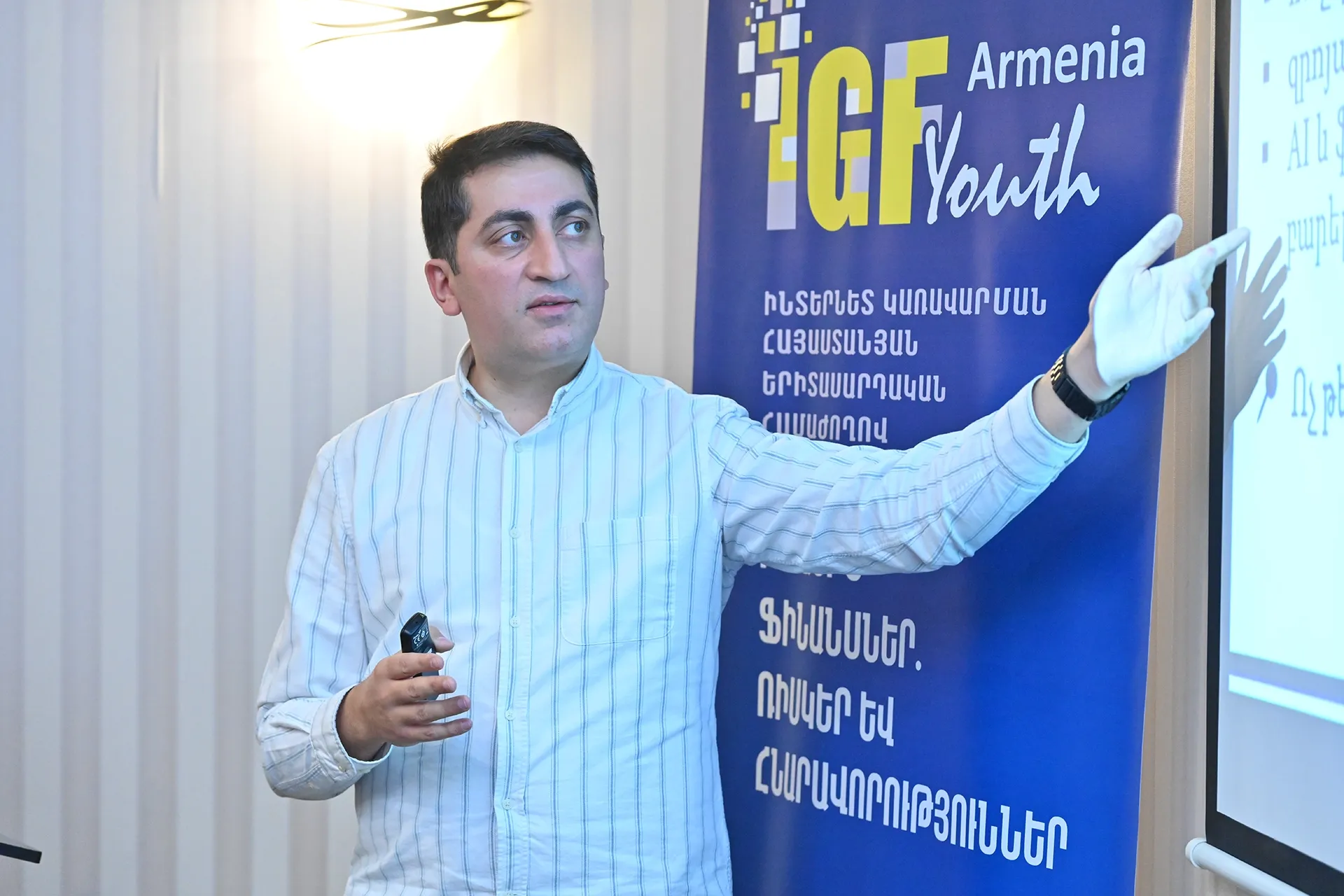
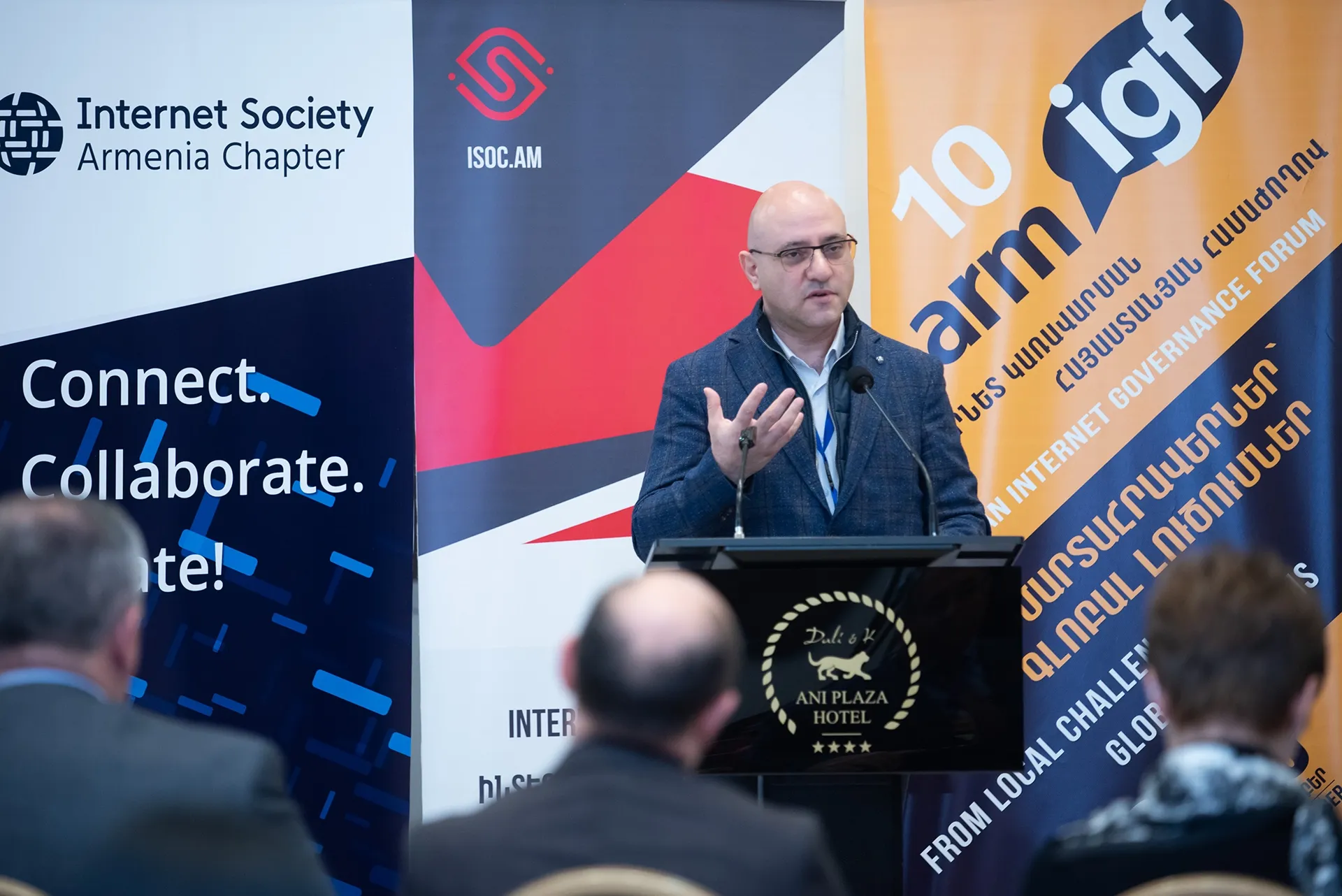
“This approach is of strategic importance for Armenia. Countries with small, open economies operating in complex geopolitical environments view the internet not merely as a communication tool, but as a key driver of economic development, education, cultural representation and national security. The multistakeholder model enables Armenia to contribute to global decision-making through expertise, institutional capacity, and responsible governance,” said Igor Mkrtumyan, Board Chair of the Internet Society NGO.
The WSIS+20 outcome also highlights the persistent digital divide, noting that 2.2 billion people worldwide still lack access to the internet. Addressing this challenge, the document emphasizes, is only possible if the internet remains unified and is not fragmented or transformed into an instrument of political or regional control.
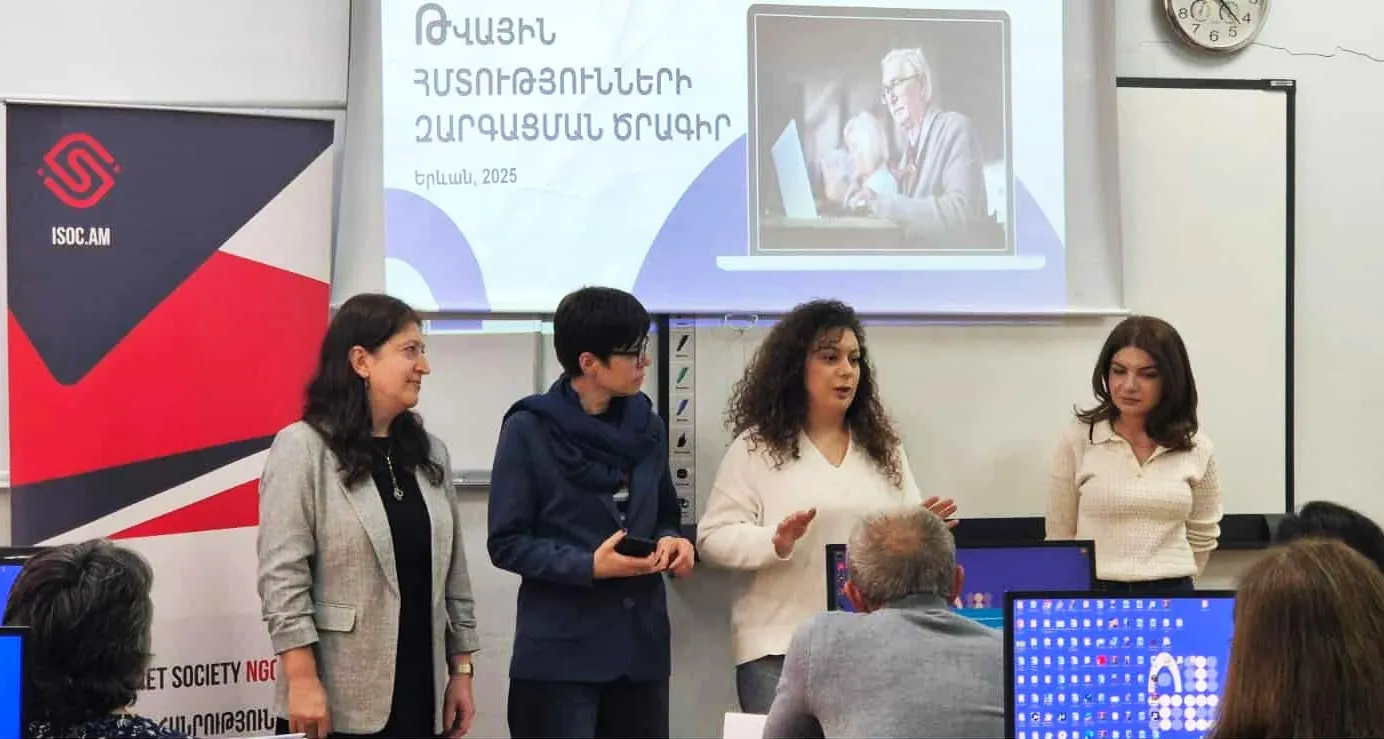
“For Armenia this agenda also has a strong domestic dimension. Strengthening multistakeholder cooperation at the national level – among government, the private sector, civil society and academic and technical communities – is essential. Such cooperation will not only enhance Armenia’s effective participation in global digital processes, but also help safeguard national interests in the digital sphere,” emphasized Kristina Hakobyan, Board Vice Chair of the of Internet Society NGO.
Overall, WSIS+20 delivers a clear message: the future of the internet will be shaped not by centralized control, but by the quality of cooperation. For Armenia, this represents a strategic opportunity to reinforce its position on the global digital map.